Introduction
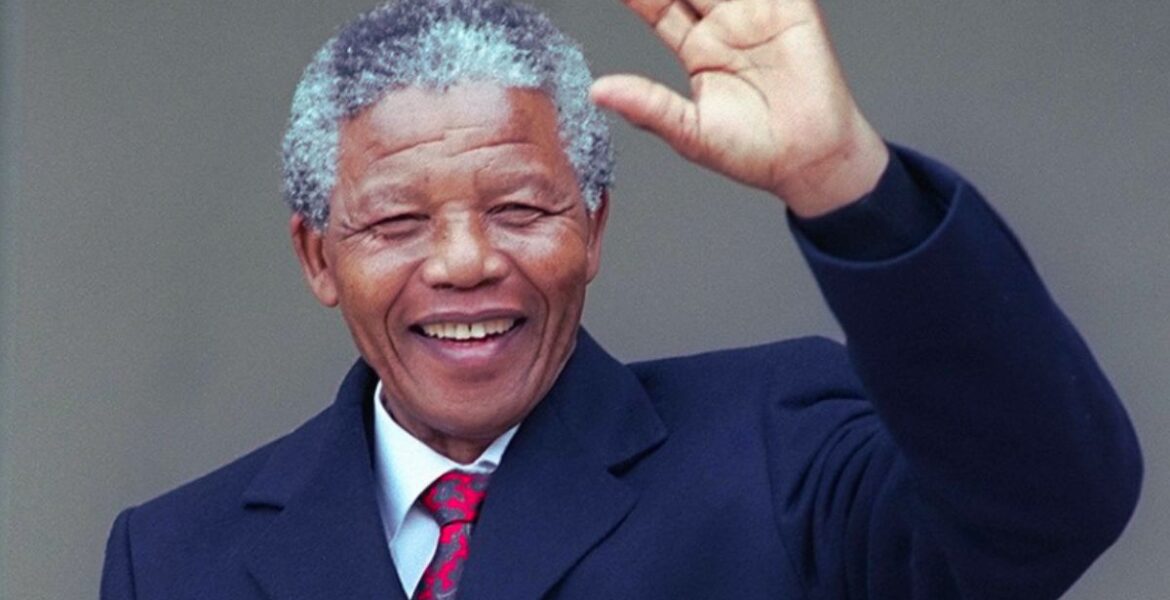
Nelson Mandela is a name synonymous with the fight against apartheid and the struggle for human rights. His journey from a political prisoner to the first black president of South Africa is not only pivotal in African history but also serves as a global symbol of resilience, courage, and the quest for justice. As we continue to confront issues of inequality and racial tension worldwide, understanding Mandela’s legacy remains crucial.
The Fight Against Apartheid
Mandela’s political career began in earnest in the 1940s when he joined the African National Congress (ANC). He became involved in activism protesting the apartheid laws that enforced racial segregation in South Africa. His commitment to dismantling the oppressive system led to his arrest in 1962. After a long trial, he was sentenced to life imprisonment, during which he remained a symbol of resistance. His imprisonment sparked international campaigns demanding his release, reflecting the widespread condemnation of apartheid worldwide.
Presidency and Reconciliation
Following 27 years in prison, Mandela was released in 1990 amidst growing internal and external pressures on the apartheid regime. His leadership during the transition to democracy was marked by a commitment to reconciliation rather than retribution. In 1994, he was elected as South Africa’s first black president, emphasizing unity and healing in a divided nation. His policies focused on addressing the socioeconomic inequalities created by apartheid, including initiatives in housing, education, and healthcare.
Global Influence and Legacy
Beyond the borders of South Africa, Mandela’s influence stretched globally. He became a respected statesman and an advocate for human rights, speaking out against oppression everywhere, including issues in Palestine and the Darfur conflict. His efforts were recognised with numerous awards, including the Nobel Peace Prize in 1993, which he shared with then-president F.W. de Klerk for their work in ending apartheid.
Conclusion
Nelson Mandela’s legacy is not merely historical; it is a living testament to the power of forgiveness and the ability of individuals to enact change. His teachings continue to inspire movement leaders and activists in various fields, including civil rights, climate justice, and social equity. As the world grapples with global challenges like racism, inequality, and injustice, Mandela’s life serves as a reminder of the enduring impact of dedicated leadership and the importance of hope in the fight for a better world.