Introduction
Zombieland, the 2009 horror-comedy film directed by Ruben Fleischer, has become a cultural touchstone within the zombie genre. Its blend of humour and horror not only rejuvenated interest in zombie narratives but also set benchmarks for future films in the genre. In the face of a saturated market of horror films, Zombieland’s unique storytelling, engaging characters, and clever comedic elements have ensured its relevance today, especially among fans of both horror and comedy.
Breakthrough and Impact
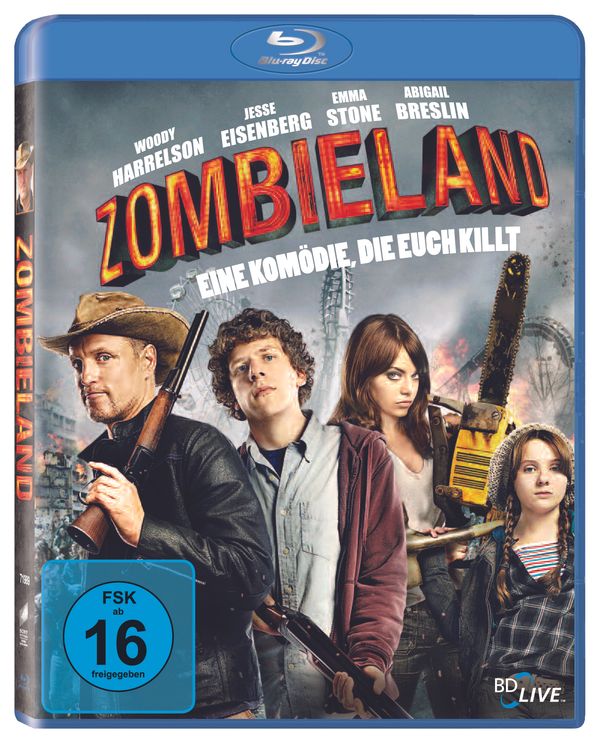
Zombieland burst onto the scene with a fresh premise: a post-apocalyptic world where a group of survivors navigates both the undead and their personal issues. Starring Woody Harrelson, Jesse Eisenberg, Emma Stone, and Abigail Breslin, the film’s cast delivered stellar performances that resonated with a wide audience. The film’s distinct approach to the zombie apocalypse was exemplified through its incorporation of ‘zombie rules,’ a set of humorous yet practical guidelines for surviving in this chaotic environment.
Upon its release, Zombieland received positive reviews for its comedic writing and engaging character dynamics. It grossed over $100 million worldwide against a budget of $24 million, proving box-office success. Its legacy continued with the release of a sequel, Zombieland: Double Tap, in 2019, which featured the same beloved characters facing a new generation of zombies. The sequel, received with mixed reviews, nonetheless reaffirmed the franchise’s cultural significance and the continued popularity of its characters.
Contributions to the Zombie Genre
The film significantly influenced the modern portrayal of zombies in both film and television. It shifted the tone of zombie narratives, showcasing that horror could coexist with comedy without alienating audiences. Following Zombieland, other shows and films such as The Walking Dead and What We Do in the Shadows mirrored this expansion of the genre, introducing humor alongside traditional horror elements.
Furthermore, Zombieland’s success inspired fan engagement, resulting in an array of merchandise, fan-made content, and annual events celebrating its legacy. The film has cultivated a communal culture around the shared love of its humor and its thrilling take on survival against the undead.
Conclusion
As we look back at the impact of Zombieland, it is evident that the film’s playful embrace of horror tropes and its clever narrative structure paved the way for future works in the genre. For fans, Zombieland is not just a movie but a cornerstone that exemplifies the blending of genres. With the horror-comedy format becoming ever more popular, the film’s influence will likely continue to echo in future productions. For both long-time fans and newcomers, exploring Zombieland represents a journey into a world where laughter and fear coexist, reflecting a unique cultural phenomenon in contemporary cinema.
You may also like