Introduction
The Faroe Islands, a group of 18 volcanic islands situated in the North Atlantic, are gaining traction as a must-visit destination for adventurers and nature enthusiasts alike. Known for their dramatic landscapes, rich history, and unique culture, these islands offer a serene escape from the hustle and bustle of modern life. As global travel resumes following restrictions, the Faroe Islands are increasingly relevant, drawing attention for their natural beauty and sustainable tourism practices.
A Stunning Natural Landscape
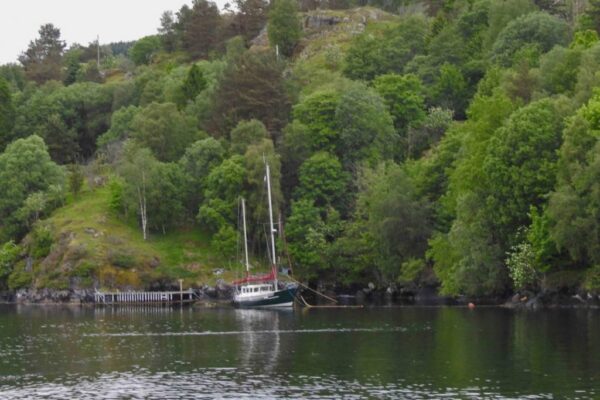
Comprising rugged cliffs, impressive waterfalls, endless green hills, and quaint villages, the Faroe Islands are a photographer’s paradise. The islands are characterised by their distinct scenery, with some of the highest sea cliffs in Europe, such as the famous Slættaratindur peak, which stands at 882 metres. Moreover, the unique flora and fauna, including puffins and seals, contribute to the islands’ charm. Hiking, bird-watching, and even kayaking are popular activities among visitors seeking to immerse themselves in the pristine nature.
Cultural Heritage and Lifestyle
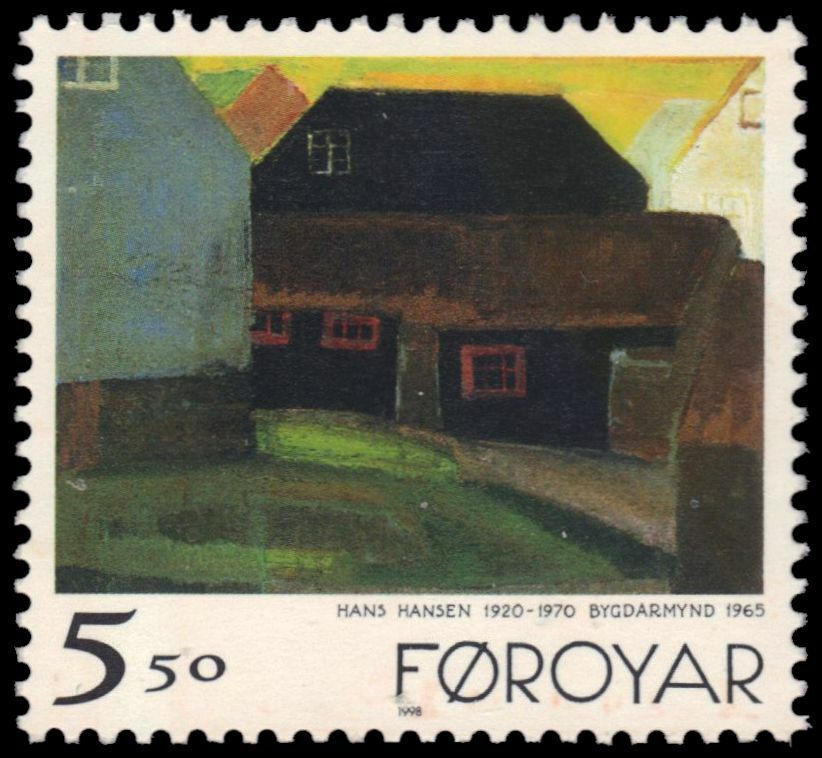
The Faroe Islands are not only about breathtaking landscapes. The islands boast a rich cultural tapestry, woven from Norse influences and modern creativity. The capital, Tórshavn, is one of the world’s smallest capitals and offers a blend of traditional and contemporary architecture. Events such as the annual Ólavsøka festival celebrate Faroese traditions, featuring music, dance, and ethnic foods. Additionally, the islands’ inhabitants, known as Faroese, have a strong commitment to their heritage, reflected in the continued use of the Faroese language and local customs.
Eco-Tourism and Sustainability
As interest in eco-tourism rises, the Faroe Islands have positioned themselves as leaders in sustainability. The government has initiated several strategies to protect the environment and promote responsible tourism. Visitors are encouraged to respect nature by following specific guidelines, such as sticking to marked paths and limiting their waste output. This commitment to sustainability not only protects the islands’ natural beauty but also resonates with environmentally-conscious travellers seeking authentic experiences.
Conclusion
The Faroe Islands represent a unique travel destination that combines stunning natural scenery with rich culture and sustainable practices. As international tourism continues to evolve, the Faroese islands remain significant for their remarkable landscapes and commitment to preservation. For those in search of adventure and authenticity, the islands offer an unforgettable experience, solidifying their position as a rising star in the tourism industry. Visitors can expect to find a sanctuary where nature and culture thrive together, promising memorable journeys for all who venture there.
You may also like