Introduction
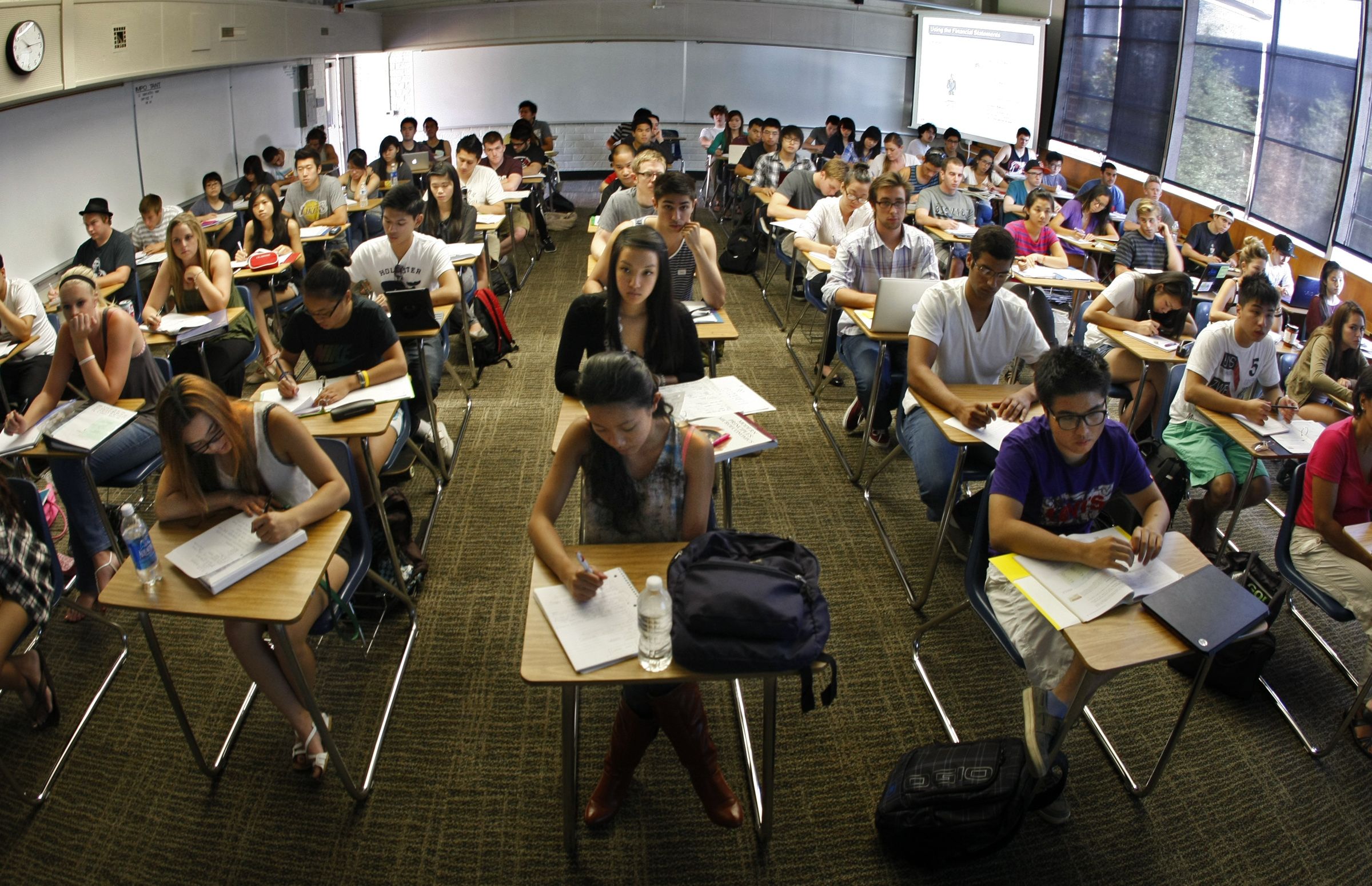
The classroom environment plays a crucial role in shaping the educational experiences of students. With the ongoing evolution of teaching methods and the integration of technology, understanding how classroom settings affect learning outcomes has become increasingly important. Teachers and educators are now focusing more on creating conducive environments that encourage collaboration, creativity, and engagement among students.
Current Trends in Classroom Design
Recent studies highlight that flexible and dynamic classroom designs, which include interactive spaces, movable furniture, and access to digital resources, are becoming popular. These designs allow for varied teaching approaches, from traditional lectures to group projects and hands-on activities. According to a report by the UK Department for Education, schools that have adopted modern classroom layouts report a 20% increase in student participation and a 30% improvement in overall academic performance.
The Impact of Classroom Environment on Learning
The classroom environment directly influences student behaviour and motivation. Research conducted by the University of Salford indicates that students in well-designed classrooms can achieve more than those in traditional settings. Factors such as natural light, air quality, and temperature are also critical. Classrooms with ample natural light can enhance mood and concentration levels, while poor air quality has been linked to decreased cognitive function and increased fatigue.
Significance of Classroom Relationships
Moreover, the social aspect of the classroom environment is equally important. Positive relationships between teachers and students foster an atmosphere of mutual respect and trust, which is vital for effective learning. Recent surveys have shown that students who feel supported by their teachers are more likely to participate and engage in their learning process. Strong classroom communities also promote inclusivity, ensuring that every student feels valued and heard.
Conclusion
As education continues to evolve, the significance of a supportive and well-designed classroom environment cannot be overstated. For educators, understanding the components that contribute to an effective classroom is crucial for maximizing student potential. With advancements in educational research and best practices, the future looks promising for creating spaces that not only facilitate learning but also inspire students to thrive. As schools gradually implement these changes, the hope is that they will lead to improved educational experiences and outcomes for all students.
You may also like