Introduction
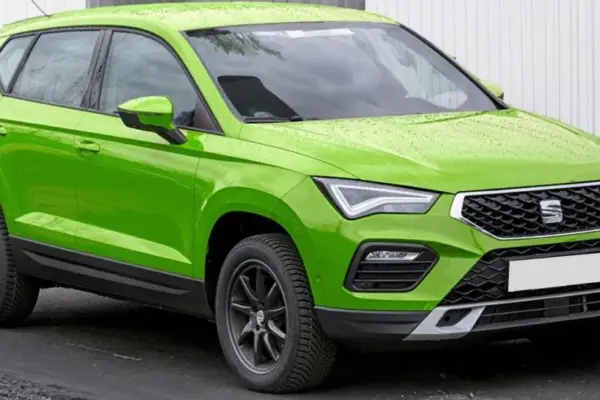
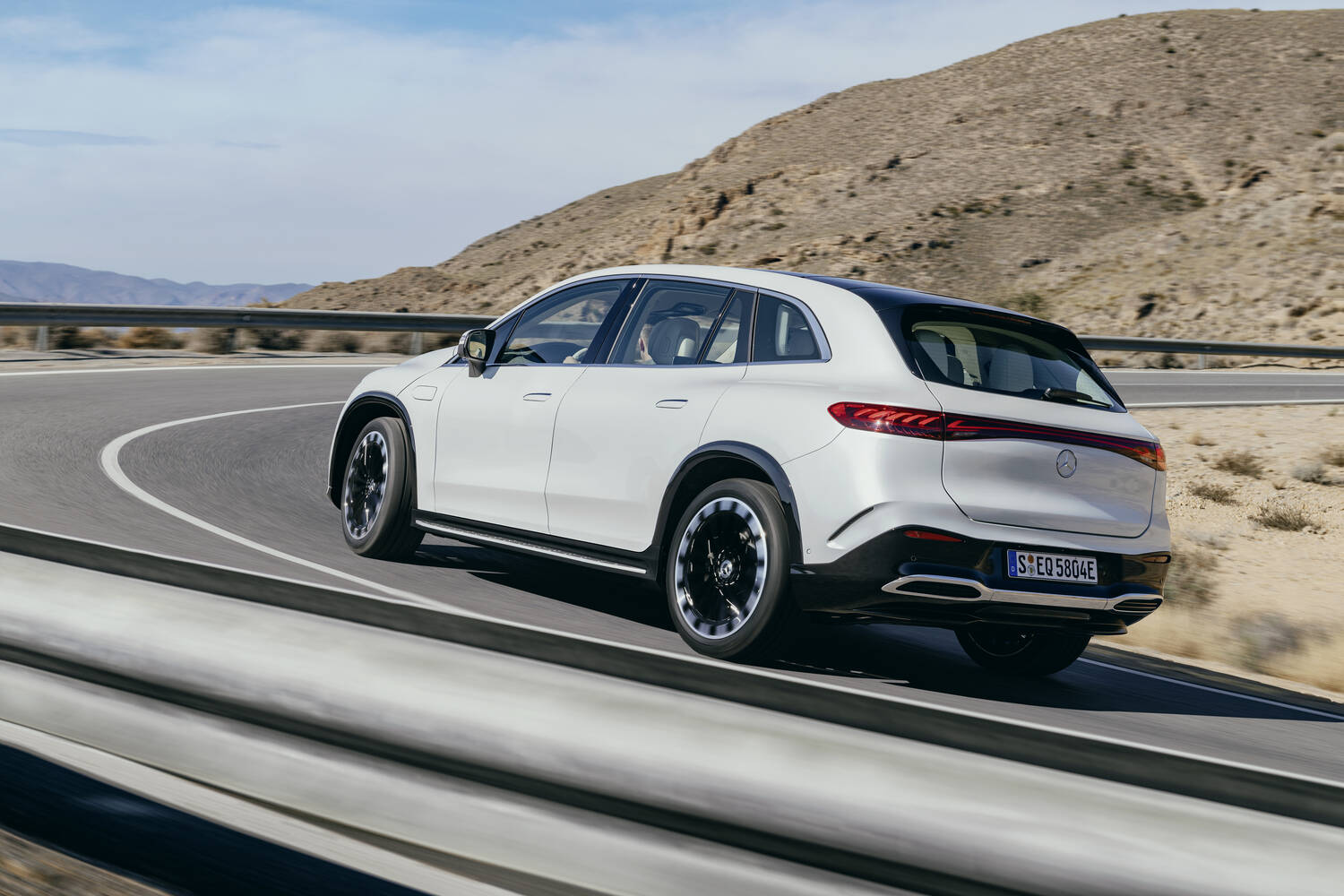
TheSUV (Sport Utility Vehicle) market has seen a significant surge in popularity over the past decade, primarily due to the increasing demand for versatile and spacious vehicles. With their blend of comfort, off-road capability, and ample cargo space, SUVs have become a preferred choice for families and adventure-seekers alike. Recognising this trend, automotive manufacturers are investing heavily in the development and marketing of a diverse range of SUV models. This article explores the rise of SUVs, their significance in the automotive industry, and what the future holds for this vehicle category.
Current Market Trends
As of 2023, SUVs contribute to an estimated 40% of new vehicle sales in the United Kingdom, a trend that reflects a broader global movement. The growing preference for SUVs can be attributed to several factors. Firstly, advancements in technology have significantly improved fuel efficiency, making these larger vehicles more economical than ever. Secondly, the increasing availability of electric and hybrid SUV models caters to the environmentally conscious consumer.
Major manufacturers such as Volkswagen, Ford, and Tesla are continuously expanding their SUV offerings, introducing innovative designs and features. For instance, Tesla’s Model Y has gained popularity for its performance and sustainability, recently topping sales charts in the electric SUV category. Furthermore, traditional brands like Land Rover and Jeep are enhancing their models with modern technology, ensuring they meet the expectations of contemporary drivers.
Impact on Other Vehicle Categories
The rise of SUVs has noticeably affected other segments in the automotive market, particularly sedans. Many consumers are shifting away from smaller cars in favour of the larger, more versatile SUV. Analysts report that manufacturers are slowly phasing out several sedan models to focus on SUVs and crossovers, which cater to the evolving needs of consumers.
Conclusion and Future Outlook
The dominance of SUVs in the automotive market appears to be far from a fleeting trend. As consumer preferences continue to evolve, the demand for spacious, versatile, and efficient vehicles will likely persist. Anticipating this, manufacturers are now investing in research and development to create SUVs that can meet rigorous safety standards and environmental regulations.
In conclusion, the SUV segment is more than just a fad; it represents a fundamental shift in consumer behaviour. With ongoing innovations and diversified offerings, the future of SUVs looks promising, making it an exciting time for both manufacturers and buyers.
You may also like