Introduction
The nature of warfare has undergone profound changes in the 21st century, influenced by advancements in technology, shifts in geopolitical landscapes, and the emergence of non-state actors. Understanding these developments is crucial for comprehending modern security challenges and the future of warfare.
Technological Advances in Warfare
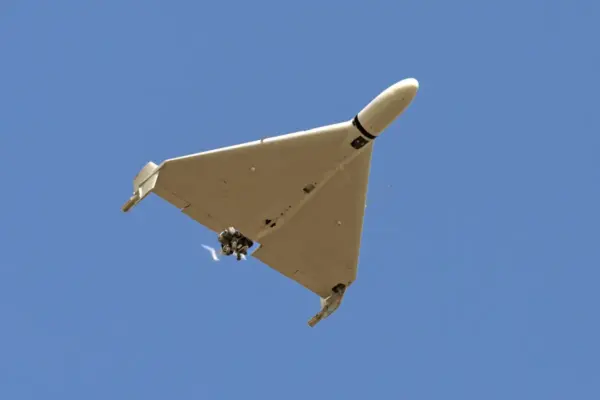
Technological innovations such as drones, artificial intelligence, and cyber warfare have transformed military operations. Drones are now a key component of battlefield strategy, allowing for precision strikes with minimal risk to personnel. AI is providing military leaders with enhanced decision-making capabilities, while the cyber domain presents a new frontier of conflict. In recent years, various nations have experienced significant cyber-attacks, showcasing that warfare is no longer confined to traditional battlefields.
Shifts in Geopolitical Landscapes
The global power dynamics have shifted, particularly with the rise of China and Russia as assertive military players. Tensions in regions such as the South China Sea and Eastern Europe exemplify how traditional state-based conflicts are evolving. Moreover, the re-emergence of great power competition is leading to an arms race in advanced military technologies, as countries seek to assert their influence and protect their interests.
Non-State Actors and Asymmetrical Warfare
Non-state actors continue to play a significant role in modern conflicts. Groups like ISIS and al-Qaeda have demonstrated that asymmetrical warfare can challenge conventional military forces. These groups exploit societal grievances and local conflicts, often operating through guerrilla tactics and terrorism. The impact of such groups extends beyond the battlefield, as their actions can destabilise entire regions and provoke international responses.
Conclusion
As warfare continues to evolve, so too must our understanding of its implications. The combination of technological advancements, changes in geopolitical power, and the actions of non-state actors necessitates a comprehensive approach to national security. Future conflicts may not only be fought with traditional military forces but also through cyber means and economic strategies. Policymakers and military leaders must recognise these trends to ensure effective responses to emerging threats in an increasingly complex security environment.
You may also like