Introduction
As Halloween approaches, one of the most anticipated traditions emerges: trick or treating. This annual custom, primarily celebrated in the United Kingdom, the United States, and Canada, has become synonymous with Halloween festivities. It offers children the chance to dress up in their favourite costumes and collect sweets from neighbours, making it a delightful experience for families and communities alike. Understanding the importance of this tradition helps us appreciate its cultural significance and the joy it brings during the Halloween season.
The Origins of Trick or Treating
The origins of trick or treating can be traced back to ancient Celtic festivals, particularly Samhain, where people believed that the boundary between the living and the dead was blurred. In the 19th century, the practice adapted into what we know today, as children began dressing in costumes and going door to door in search of treats. The phrase “trick or treat” is believed to have originated in the 1920s, reflecting the playful threat that children would perform mischief if they did not receive a treat.
Modern Practices and Trends
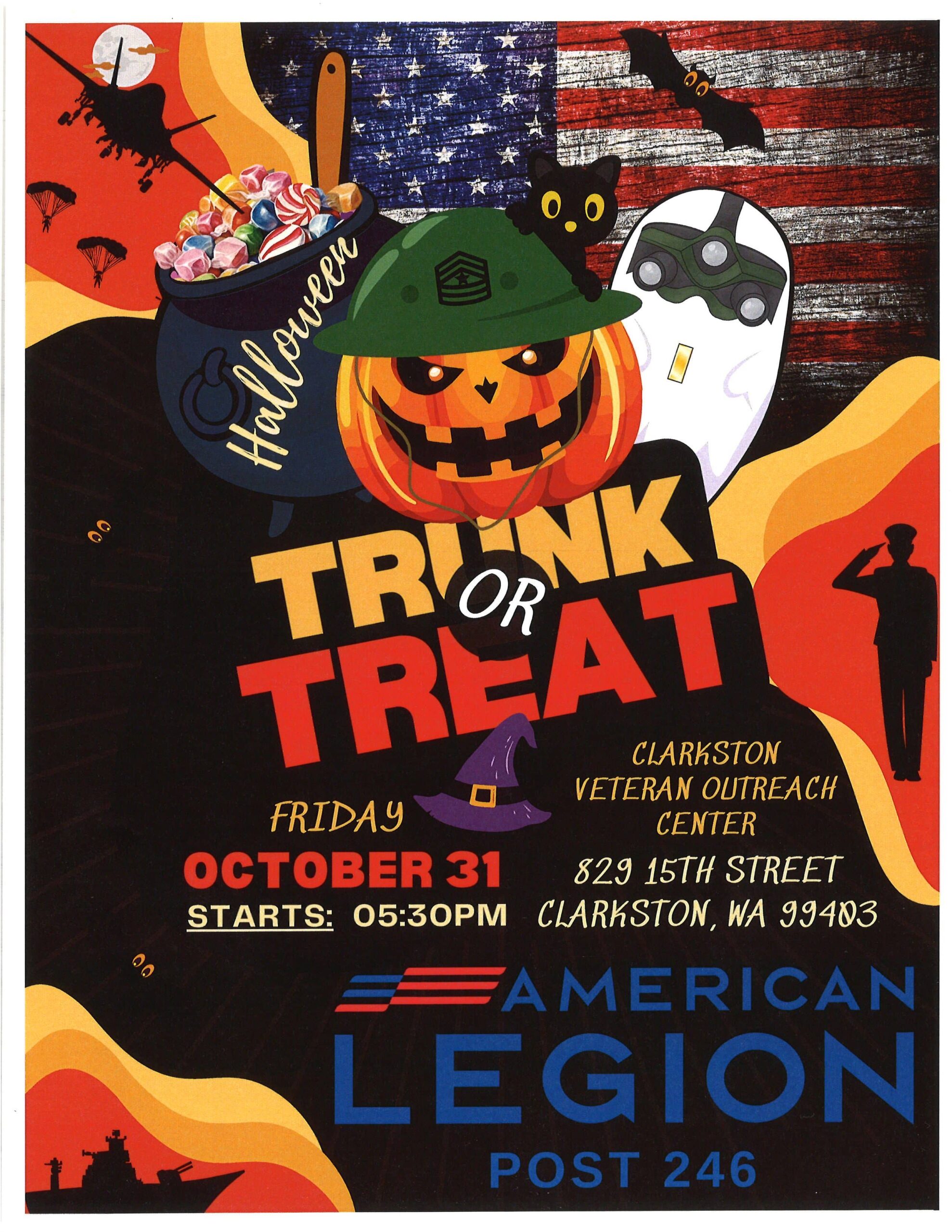
In recent years, trick or treating has evolved, adapting to contemporary societal norms and preferences. Safe trick or treating events are organised in some communities, where families can gather in secure environments. Schools and churches often sponsor safe Halloween activities, further promoting community engagement. Additionally, there is a growing trend towards themed Halloween events, where families can explore local attractions designed to create memorable experiences beyond traditional door-to-door candy collection.
Health and Safety Considerations
This year, as the excitement builds, health and safety remain at the forefront of parents’ minds. Concerns over allergies, safety while walking at night, and the ongoing effects of the pandemic call for extra precautions. Experts recommend ensuring children wear reflective costumes and carry flashlights. Furthermore, parents are advised to inspect treats before consumption, especially during these uncertain times when awareness regarding hygiene and health is crucial.
Conclusion
Trick or treating continues to be a cherished tradition that fosters community spirit, creativity, and childhood delight. As families participate in this joyful event, it serves as a reminder of the importance of connection and celebration within our communities. With evolving customs and safety considerations, trick or treating remains a significant aspect of Halloween, ensuring that the spookiness of the season is accompanied by fun and joy for children and adults alike. This year, let’s embrace the magic of Halloween, providing children with astonishing memories to cherish for years to come.
You may also like