Introduction
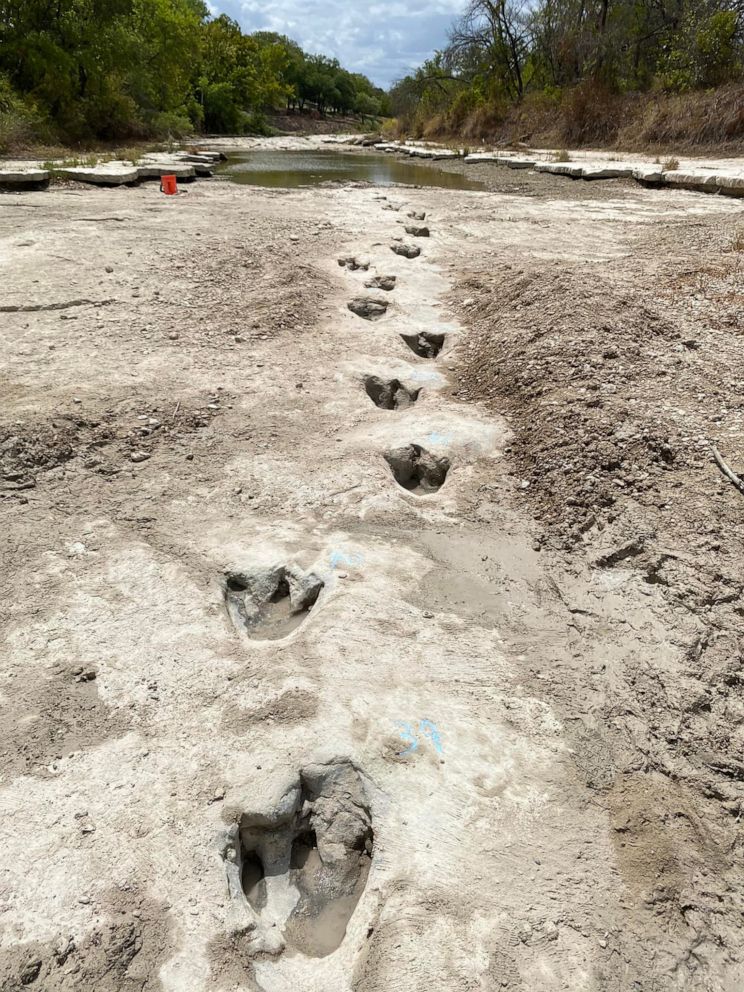
Dinosaur footprints are not just remnants of ancient life; they are crucial to understanding the behaviour and movement of these magnificent creatures. Recent discoveries around the globe have shed new light on the habits, environments, and evolution of dinosaurs, making these fossilised imprints a subject of increasing interest among paleontologists and the public alike.
Recent Discoveries
In 2023, a significant discovery was made in Argentina where a vast array of dinosaur footprints, estimated to be over 70 million years old, was unearthed. Spanning nearly a mile, these tracks provide insight into the social behaviours of herbivorous dinosaurs, indicating that they moved in herds. This finding supports theories suggesting social structures among these ancient creatures.
Meanwhile, in the UK, a team of researchers recently uncovered footprints on the Isle of Skye that are believed to belong to a large theropod, a group that includes famous predators such as Tyrannosaurus Rex. This discovery adds to the body of evidence indicating that predatory dinosaurs roamed this area approximately 170 million years ago, enabling scientists to paint a more accurate picture of the ecosystem during the Jurassic period.
Importance of Fossilised Footprints
Footprints, also known as ichnites, serve as vital clues in the study of dinosaur behaviour. Unlike bones, footprints can reveal how dinosaurs walked, their speed, and potentially their social interactions. For instance, the spacing of the tracks can suggest the size of the dinosaur, while the depth and width may indicate their weight and how they adapted to their environment.
In addition to behavioural insights, these fossilised traces can indicate the climatic conditions of the time, such as whether the area was wetter or drier. This information contributes to our understanding of how climate may have impacted dinosaur evolution and extinction.
Future Implications
As technology improves, the study of dinosaur footprints is likely to expand significantly. New imaging methods and 3D modelling are enabling more detailed analyses of these prints, even allowing scientists to simulate locomotion patterns of ancient species. Such advancements could redefine our understanding of dinosaur behaviour and evolution.
Conclusion
The discovery of dinosaur footprints around the world offers invaluable insights into the lives of these ancient creatures that once ruled the Earth. As more sites are explored and technology advances, we can expect to uncover more secrets locked within these remarkable fossilised imprints. For the scientific community and dinosaur enthusiasts alike, the footprints serve as a tangible connection to a world long gone, sparking curiosity and explorations into the prehistoric past.
You may also like