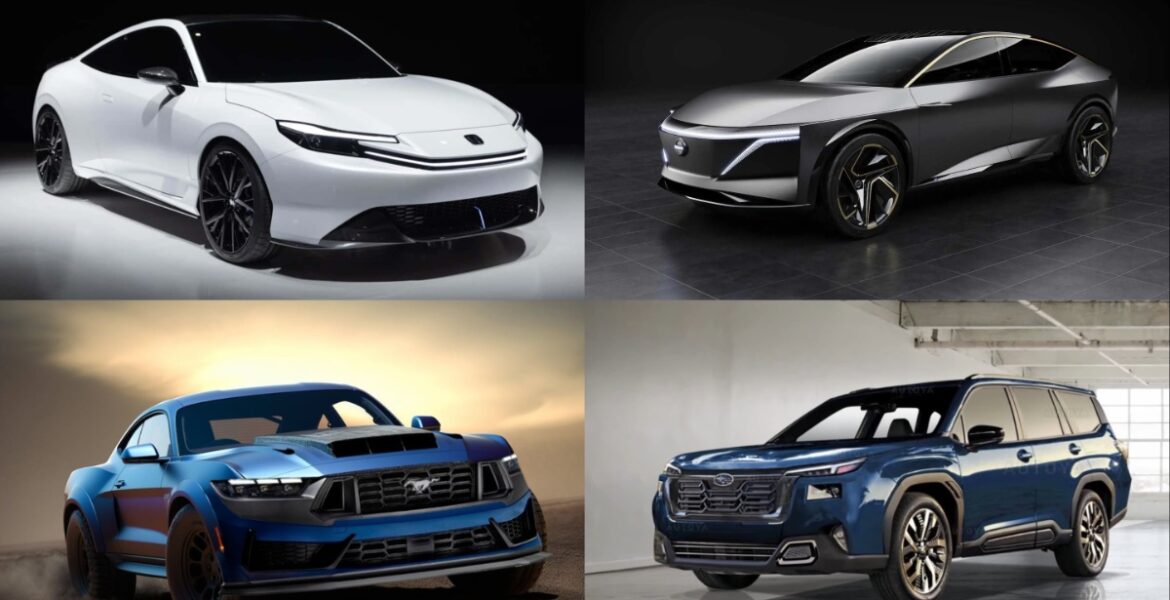
Introduction
The automotive industry is on the brink of a significant transformation as we look toward 2026. With advancements in technology, environmental concerns, and changing consumer preferences, the cars of 2026 promise to be a mix of innovation and sustainability. Understanding these trends is essential for consumers, industry stakeholders, and policymakers alike as they prepare for a rapidly evolving landscape.
Key Trends to Watch
One of the most notable trends in the car market is the expected rise in electric vehicles (EVs). According to a recent report by the International Energy Agency (IEA), the number of electric cars is projected to exceed 300 million globally by 2030, with significant growth anticipated around 2026 as battery technology improves and charging infrastructure expands. By this time, EVs are expected to represent a substantial percentage of new car sales in many regions.
Additionally, the integration of autonomous driving technology is also set to advance significantly by 2026. Companies like Tesla, Waymo, and traditional automakers are investing heavily in developing vehicles equipped with advanced driver-assistance systems (ADAS). These innovations aim to enhance road safety and convenience, potentially allowing cars to operate independently in certain conditions. According to industry analysts, it is anticipated that Level 4 autonomy, where vehicles can drive themselves in predefined conditions, will become a reality.
Design and Sustainability
In terms of design, cars in 2026 are expected to embrace sustainability not only through electric drivetrains but also in the materials used. Manufacturers are increasingly focusing on recycling and reusing materials, such as bio-based plastics and sustainable composites, to minimise the environmental impact of production. Cars might feature innovative designs that enhance aerodynamics and efficiency, contributing further to fuel consumption reduction.
Challenges Ahead
Despite the exciting developments, challenges remain. The transition to electric and autonomous vehicles will require significant investments in infrastructure, with governments needing to develop comprehensive charging networks and regulations for autonomous vehicles. The automotive supply chain is also under pressure, particularly with ongoing semiconductor shortages, which could affect production timelines.
Conclusion
The landscape of cars in 2026 is set to be dynamic and transformative. As electric vehicles and autonomous driving technologies continue to develop, consumers can expect a shift towards more sustainable and tech-savvy vehicles. While challenges remain, the commitment from automakers and governments to innovate will likely lead to significant advancements in the automotive industry, making the cars of 2026 not only more efficient but also more aligned with the needs and values of future generations.
You may also like