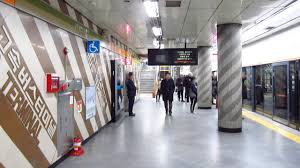
Introduction
Metro transport systems have become an integral part of urban infrastructure, facilitating efficient movement in densely populated cities. As cities continue to grow, the importance of reliable and fast public transport cannot be overstated. With the rise of urbanisation, metro systems are evolving to meet the increasing demand for sustainable transportation solutions, signalling a significant transformation in urban mobility.
Current Developments in Metro Systems
Recent months have witnessed substantial investments in metro transport across various global cities. For instance, London has launched new initiatives to enhance its underground network, focusing on increasing capacity and reducing travel times. In July 2023, Transport for London announced a multi-million pound investment aimed at modernising infrastructure, which includes upgrading signaling systems and expanding platforms to accommodate longer trains.
Similarly, cities like Paris and New Delhi are expanding their metro networks, with ambitious projects aimed at reducing congestion and promoting environmental sustainability. The Paris Metro is undergoing renovation to improve accessibility for individuals with disabilities, while the Delhi Metro Rail Corporation has included more environmentally-friendly trains in its fleet, reflecting a global trend towards greener public transport solutions.
Technological Advancements
Technological innovations are shaping the future of metro transport. The integration of smart technology in metro systems, including contactless payment systems and real-time tracking applications, greatly enhances commuting efficiency. For example, the new ‘Tap and Go’ system introduced in many metro lines worldwide allows passengers to board without having to queue for traditional ticket sales, thus speeding up the entire boarding process.
Moreover, the implementation of AI and machine learning in monitoring and maintaining metro systems has improved reliability and passenger safety. Predictive maintenance models are now being adopted to minimize downtime and ensure that services run smoothly.
Conclusion
As metro systems worldwide continue to improve and expand, it is clear that they play a crucial role in shaping the urban experience. With ongoing developments, technological advancements, and a focus on sustainability, metro transport is headed towards a promising future. The commitment from city planners and governments to invest in public transport infrastructure suggests that metros will remain a fundamental part of urban life, helping to ease congestion and reduce carbon footprints in the years to come. For readers, staying informed about these changes could enhance their commuting experience and provide insights into the broader trends in urban mobility.
You may also like