Introduction
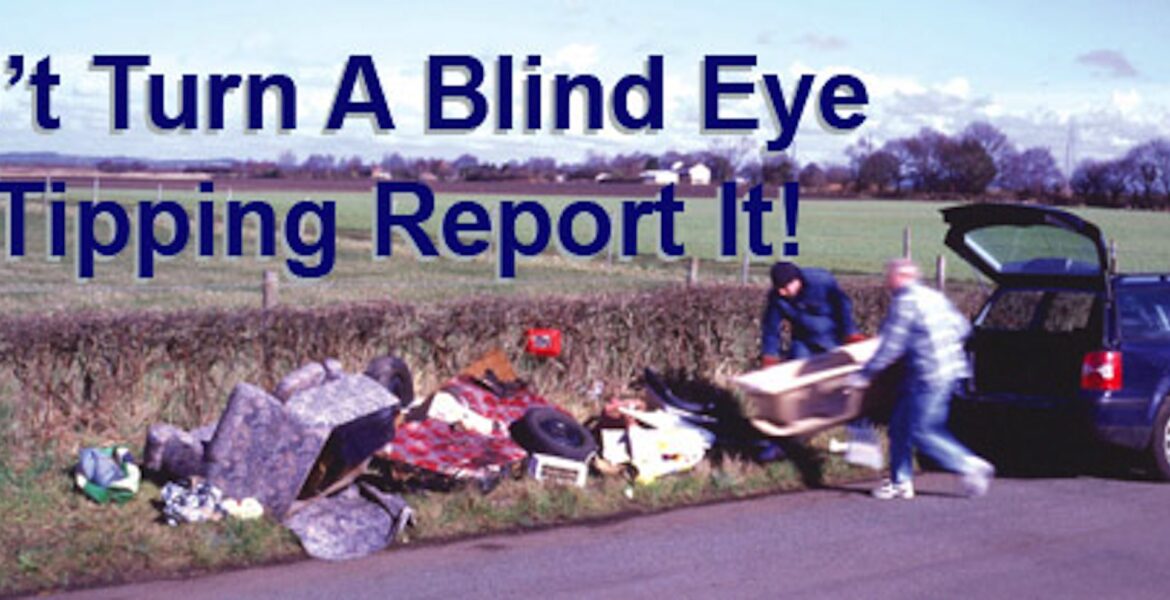
Fly tipping remains a pressing environmental issue within the United Kingdom, posing threats to local wildlife, public health, and the aesthetic integrity of communities. The illegal dumping of waste not only blights landscapes but also places a significant financial burden on local councils tasked with cleaning up these sites. Recent statistics reveal a troubling increase in fly-tipping incidents, highlighting the urgent need for effective intervention strategies.
Current Trends and Statistics
According to a report released by the Department for Environment, Food & Rural Affairs (DEFRA), the UK recorded over 1 million incidents of fly-tipping in the last year, marking an increase of 16% from the previous year. Local authorities spent upwards of £1.4 million tackling these illegal dumps, diverting vital resources from other community services. The most frequent types of illegally dumped waste include household rubbish, construction debris, and hazardous materials, which can pose serious health risks.
Recent Events and Community Impact
Several communities have come together to address fly-tipping through local cleanup initiatives and collaboration with law enforcement. For example, in Greater Manchester, residents organised a series of community clean-ups after an alarming spike in waste being dumped in public parks. These grassroots efforts not only help beautify local areas but also raise public awareness of the issue.
In addition, local councils have implemented new enforcement measures, including the use of CCTV to monitor known fly-tipping hotspots. In a recent case, a council in London successfully prosecuted an individual caught in the act, resulting in a heavy fine. Such actions underscore the importance of stringent regulations to deter future offenders.
Conclusion and Future Outlook
As the issue of fly tipping continues to escalate, it is crucial for both government and community members to work together to find solutions. While current trends indicate that more education and stricter penalties could foster better waste management practices, investment in waste disposal infrastructure is equally essential. Environmental organisations also advocate for increased public education campaigns to inform individuals about responsible waste disposal methods.
In summary, the fight against fly tipping requires a collective effort, combining legal enforcement, community activism, and public awareness. If these strategies are effectively implemented, it is possible to reduce the incidence of fly tipping significantly in the coming years, leading to cleaner, healthier environments for all citizens.
You may also like