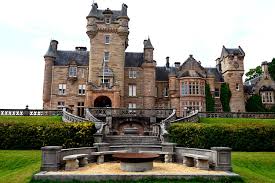
Introduction to Traitors’ Castle
Traitors’ Castle, known for its haunting history and cultural significance, stands as a striking landmark in Welsh history. Located in the heart of Conwy, this architectural marvel was once a place of imprisonment and punishment for those deemed traitors to the crown. Its relevance endures today, as it gives insight into the political turbulence of the period and the personal stories of those who met their fate within its walls.
The Historical Background
Originally built in the 13th century by Edward I during his conquest of Wales, Traitors’ Castle was part of a wider network of fortifications serving both defensive and administrative functions. The castle’s grim reputation stems from the 14th and 15th centuries when it became notorious as a holding site for individuals accused of treason. High-profile figures, including prisoners linked to rebellions against the English crown, were often held, tried, and executed here.
A notable tale from the castle’s history is that of Owain Glyndŵr, a Welsh leader who instigated a significant revolt against English rule in the early 15th century. While not a prisoner here, Glyndŵr’s actions profoundly affected the perceptions and ramifications surrounding the castle as a symbol of treachery and resistance.
Recent Developments
In recent years, Traitors’ Castle has undergone significant restoration efforts aimed at preserving its rich historical narrative. The site has become a popular attraction, drawing tourists interested in both its violent past and its architectural features. In addition to guided tours that recount the tumultuous events that took place within its walls, the castle now offers interactive exhibits designed to engage visitors with the history of both the castle and the region.
Conclusion: The Importance of Preserving History
Traitors’ Castle serves not only as a reminder of the darker aspects of history but also as a testament to the resilience of cultural identity. As we reflect on the history that has shaped the present, the significance of Traitors’ Castle continues to resonate. Moving forward, there remains a critical need to preserve such landmarks, ensuring that future generations can learn from and appreciate the stories they tell. The ongoing restoration and promotion of Traitors’ Castle highlight the importance of historical awareness in contemporary society, aiding in the understanding of the complexities and nuances of our past.
You may also like