Introduction: The Birth of a Horror Icon
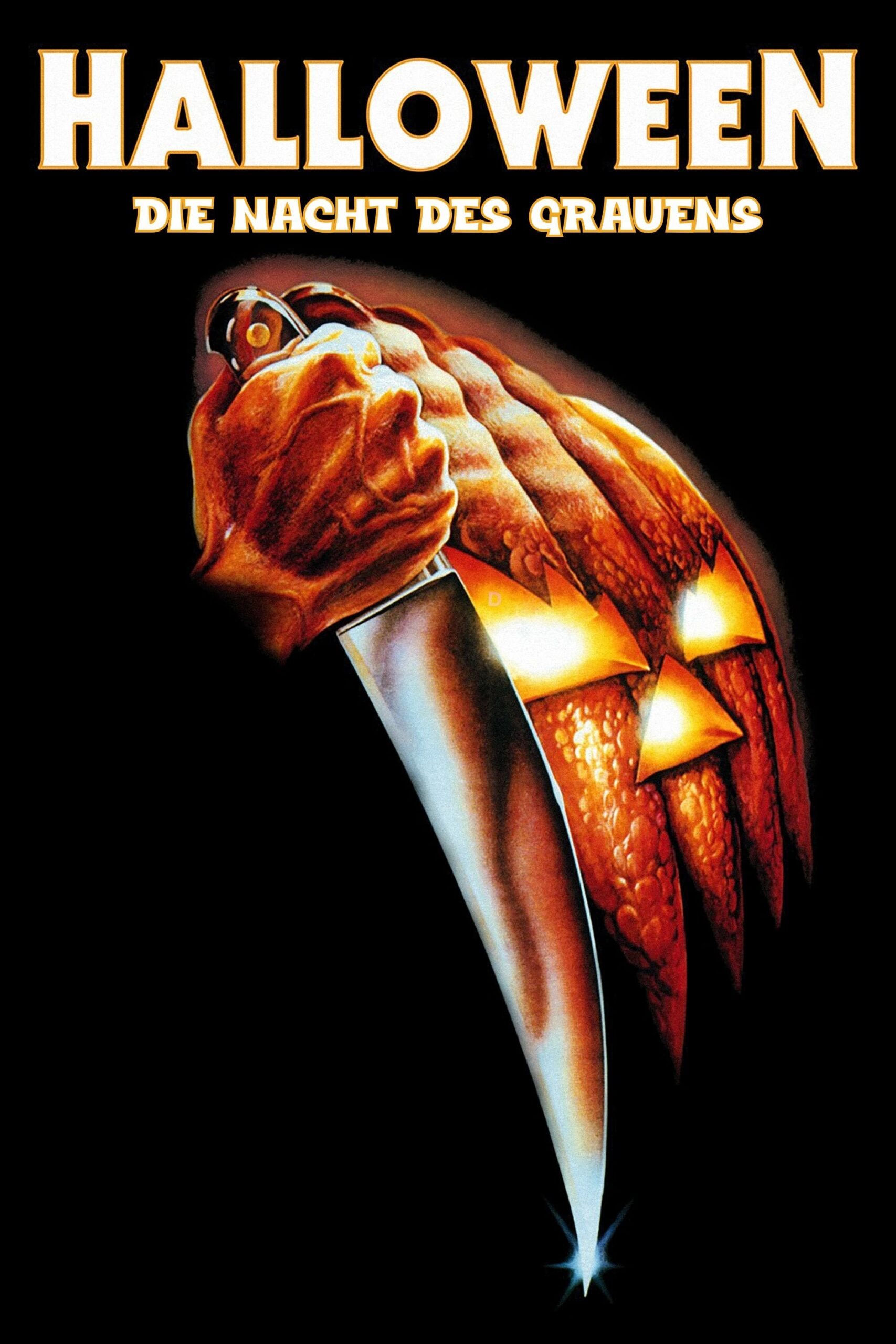
The film Halloween, released in 1978, is widely regarded as a seminal work in the horror genre, establishing conventions that would influence countless films that followed. Directed by John Carpenter, this low-budget independent film not only redefined horror but also marked the emergence of the ‘slasher’ genre, introducing audiences to its now-iconic masked antagonist, Michael Myers. Its relevance is still apparent, as it continues to inspire filmmakers and entertain new generations of horror fans.
The Story Behind Halloween
Halloween tells the chilling story of Michael Myers, a deranged killer who escapes from a mental institution and returns to his hometown to continue his murderous spree. The film stars Jamie Lee Curtis in her breakout role as Laurie Strode, the resourceful teenager who confronts Myers. Carpenter’s innovative use of suspense and minimalist score, featuring the unforgettable piano motif, has become hallmarks of the film and the genre.
The production of Halloween was marked by creative ingenuity. Made on a modest budget of approximately $325,000, Carpenter and producer Debra Hill worked tirelessly to deliver a thrilling experience. The film grossed over $70 million in the United States alone, proving that horror could be commercially successful while also engaging a dedicated fanbase.
Cultural Impact and Legacy
The legacy of Halloween extends far beyond its financial success. It paved the way for a series of sequels, remakes, and reboots, establishing a franchise that continues to thrive. Many filmmakers cite Carpenter’s work as a significant influence on their own horror projects. The use of a teenage protagonist battling a relentless killer has become a defining trope, seen in numerous works since. The film also solidified the ‘final girl’ archetype and spawned conventions like the ‘rules’ of horror films, where characters often suffer consequences for their actions.
Conclusion: A Lasting Influence
As we reflect on the impact of Halloween in 1978, it is clear that the film not only revolutionised the horror genre but also forever changed the landscape of American cinema. Its influence continues to resonate, as seen in the resurgence of horror films that tap into complex characters, psychological tension, and societal themes. Today, Halloween is more than a film; it is a cultural phenomenon that has secured its place in the hearts of horror enthusiasts and cinematic history. This initial offering from Carpenter remains a key reference point for understanding the evolution of horror filmmaking, and its legacy is likely to endure for years to come.
You may also like