Introduction
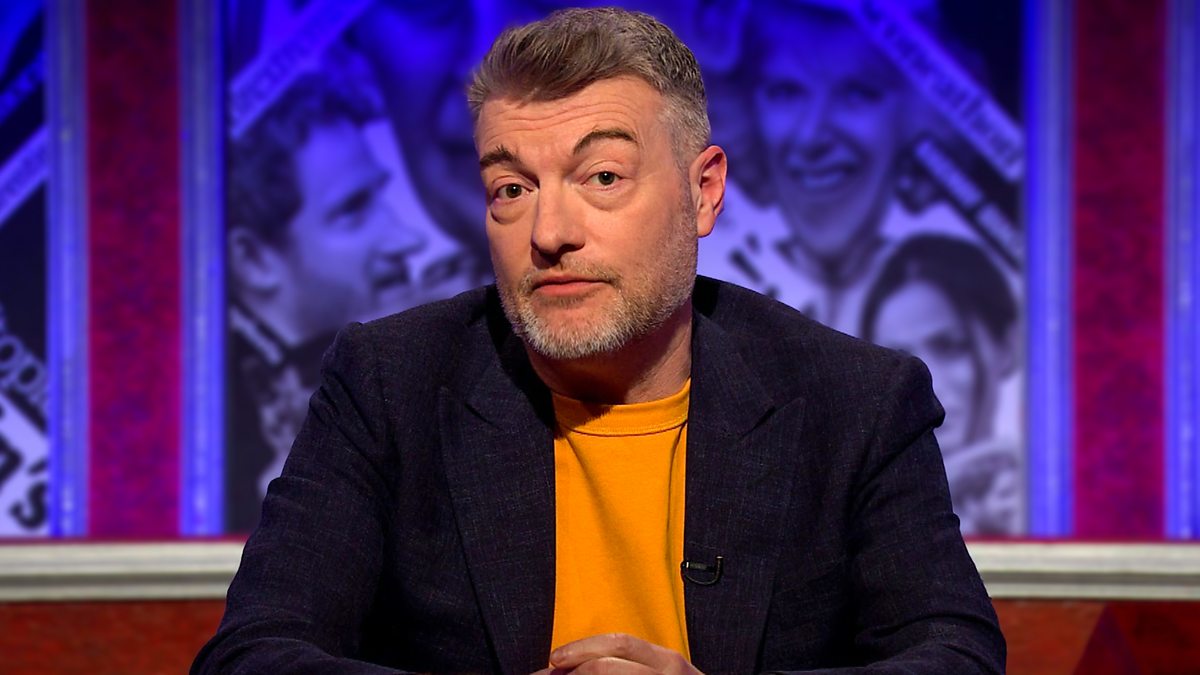
Since its debut in 1990, BBC’s Have I Got News for You has become a staple of British television, combining the realms of current affairs and comedy. The show, which encourages audiences to engage with the news in a humorous light, is both a reflection of and a commentary on the political landscape of the UK. Its relevance has grown particularly in today’s fast-paced media environment, where misinformation and sensationalism can often overshadow the truth.
Recent Developments
The show’s format features a panel comprising comedians and public figures who engage in witty banter while quizzing one another and discussing the week’s news. Recently, the show has celebrated its 33rd series, highlighting its enduring popularity. The rotating guest presenters have included well-known faces, such as comedian Kim Tserkezie and journalist Emily Maitlis, adding to the show’s dynamic appeal.
In the past few episodes, the panel has tackled significant topics, such as political scandals, royal family updates, and global events, all while maintaining a comedic edge. The recent episode aired during a tumultuous political time in the UK, where debates on policy and public opinion were at the forefront. By engaging in light-hearted discussions about serious matters, the show allows viewers to reflect on and digest news from a more approachable perspective.
Audience Engagement and Significance
Have I Got News for You‘s unique blend of humour and news has endeared it to millions of viewers, making it a fundamental part of the British cultural landscape. The programme often sparks conversations on social media, fostering a community where fans can engage with each episode and share their views in real-time. This interactive element has preserved its relevance, especially among younger audiences who may find more traditional news sources less accessible.
Conclusion
As we move forward into a post-pandemic world and navigate an increasingly complicated news cycle, Have I Got News for You continues to serve as an essential barometer of British society’s attitudes towards current events. With its emphasis on satire and humor, the show not only entertains but also challenges viewers to look deeper into the truths behind the headlines. As it marks another successful series, the show’s loyal viewership can expect sharp wit and critical insight as it tackles whatever news stories lie ahead. The enduring nature of the programme indicates a robust future, remaining an invaluable part of BBC’s offerings and British television as a whole.
You may also like