Introduction
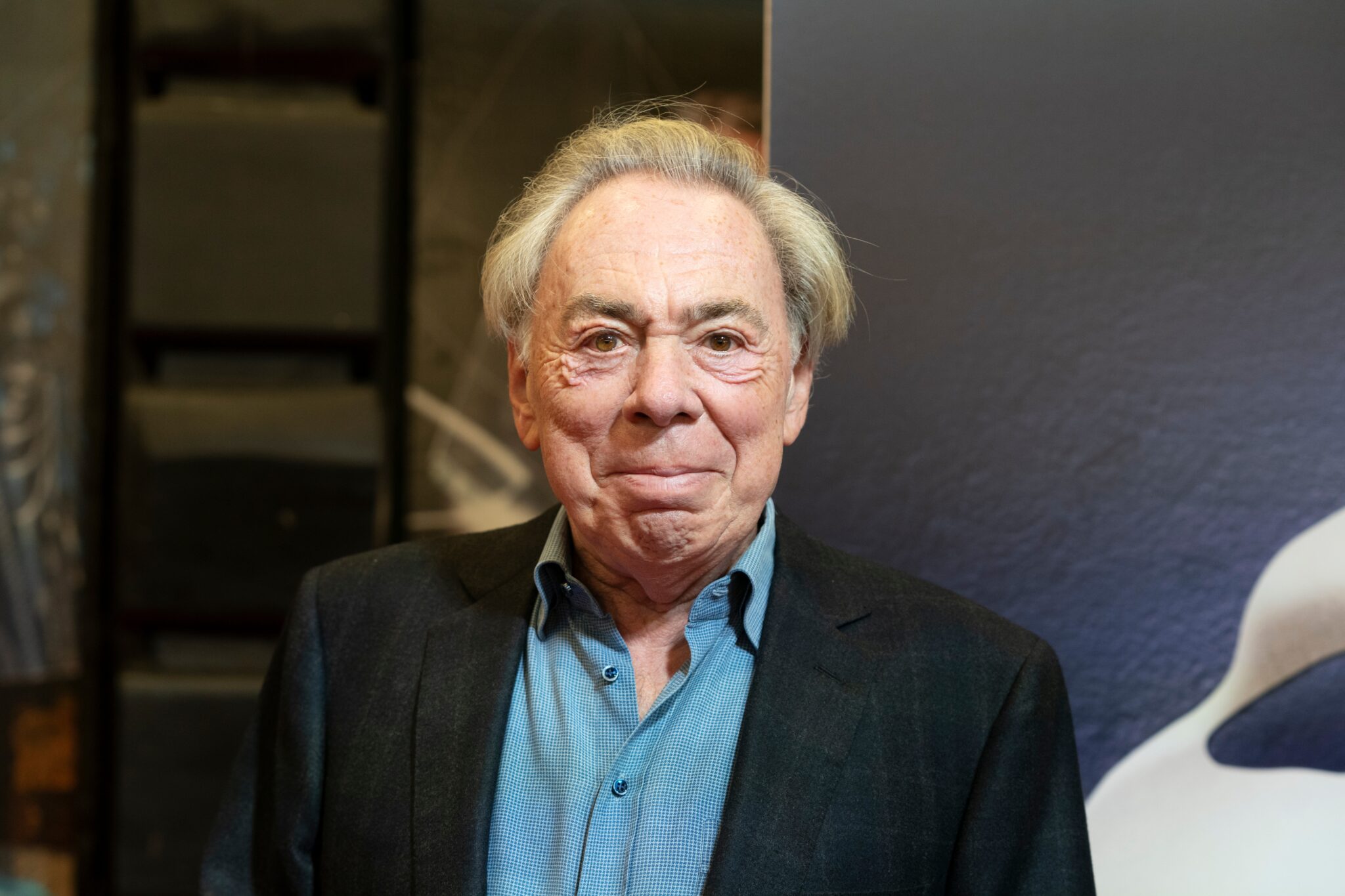
Andrew Lloyd Webber, an eminent British composer and impresario, is widely regarded as one of the most significant figures in the world of musical theatre. His work has shaped the landscape of the genre, bringing theatrical productions to a global audience and revolutionising the way stories are told through music. As theatrical productions face challenges from pandemic-related disruptions, Lloyd Webber’s innovations and resilience continue to play a critical role in keeping the spirit of live performance alive.
Career Highlights
Born on March 22, 1948, in London, Lloyd Webber was immersed in music from a young age. His notable works, including ‘The Phantom of the Opera’, ‘Cats’, and ‘Jesus Christ Superstar’, have enchanted audiences worldwide. ‘The Phantom of the Opera’, in particular, remains one of the longest-running musicals in history, having premiered in the West End in 1986 and on Broadway in 1988.
In addition to his achievements on stage, Lloyd Webber has received numerous awards, including seven Tony Awards and an Academy Award, marking him as a versatile talent in both theatre and film. His passion for theatre is evident in his continuous efforts to nurture new talent through initiatives like the Arts Educational Schools in London and his esteemed scholarship programmes.
Recent Developments
In 2023, Lloyd Webber made headlines for his vocal opposition to the Financial Times Artistic Director of the Year award, which he argued lacked recognition for the arts during the pandemic recovery phase. His advocacy for the theatre industry reflects his commitment to ensuring that live performances not only survive but thrive post-pandemic.
Additionally, his recent works, including ‘Cinderella’, have demonstrated his ability to adapt and innovate, appealing to younger audiences while retaining the emotional depth characteristic of his compositions. The show’s reception highlighted the importance of new narratives in musical theatre, broadening its appeal while showcasing Lloyd Webber’s continued musical evolution.
Conclusion
Andrew Lloyd Webber’s influence on musical theatre is undeniable, and as he continues to create and innovate, he remains a pivotal figure in the arts. His ability to inspire, adapt, and advocate for the theatre community ensures that his legacy will endure for future generations. The significance of his contribution goes beyond individual productions; it encapsulates the power of music and storytelling to connect audiences and create lasting memories. As the industry looks forward to a post-pandemic revival, Lloyd Webber’s work will undoubtedly continue to play an essential role in shaping the future of musical theatre.
You may also like