Introduction
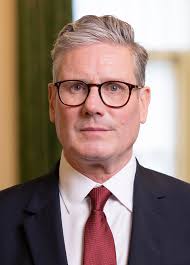
Kier Starmer, the current leader of the UK’s Labour Party, has emerged as an influential figure in British politics since assuming the role in April 2020. His leadership comes at a crucial time, as the UK grapples with various issues, including economic recovery post-COVID-19, the cost-of-living crisis, and debates surrounding social justice and climate change. Understanding his policies and vision is vital for comprehending the current political landscape and potential shifts in future elections.
Leadership Transition
Starmer succeeded Jeremy Corbyn following a leadership election that was marked by a desire within the party for a change in direction. As a former director of public prosecutions, Starmer’s approach to leadership has been characterised by a more centrist, moderate stance, aiming to win back traditional Labour voters who may have been disillusioned. He has focused on promoting unity within the party while distancing himself from elements of the left-wing that defined the Corbyn era.
Key Policies and Initiatives
Under Starmer’s leadership, the Labour Party has championed several key policies. These include a commitment to tackling climate change through green job creation and investment in renewable energy, measures to address the cost-of-living crisis by advocating for fair wages and social equity, and a reformed approach to immigration that seeks both compassion and legality. His government’s proposals for the National Health Service (NHS) have also drawn attention, aiming to strengthen and secure public health funding.
Challenges Ahead
Despite positive polling figures, Starmer faces significant challenges moving forward. The party’s image remains under scrutiny, particularly with regard to allegations of infighting and the handling of internal disputes. Additionally, with the general election drawing closer, expectations are high; Labour will need to clearly convey its alternative vision to the ruling Conservative government led by Rishi Sunak, especially as economic issues loom large in voters’ minds.
Conclusion
Kier Starmer’s impact on UK politics is still unfolding as he navigates the complexities of leadership and the broader political landscape. His focus on moderation and unity as well as his policy proposals could potentially reshape the Labour Party for years to come. As we approach the next general election, the effectiveness of Starmer’s strategies and his ability to resonate with the electorate will be critical in determining Labour’s prospects and the future of UK politics.
You may also like