Introduction
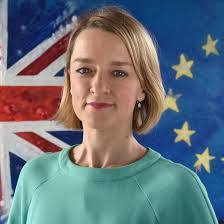
Laura Kuenssberg has emerged as one of the most significant figures in UK journalism, particularly noted for her role as the BBC’s political editor. Her reporting style and ability to analyse complex political developments have made her a trusted source of news for the public. With the UK facing numerous political challenges, from Brexit repercussions to the changing landscape in leadership, understanding Kuenssberg’s contributions is more crucial than ever.
Kuenssberg’s Career Trajectory
Born on August 8, 1976, in Glasgow, Scotland, Laura Kuenssberg’s career in journalism began in 2000 at the BBC, where she worked as a trainee. Over the years, her assignments have spanned various political and financial news roles, including stints at Channel 4 News and a position as the BBC’s Chief Political Correspondent. Her promotion to political editor in 2015 made her the first woman to hold this position in the BBC’s history.
Recent Developments
In recent weeks, Kuenssberg has been at the forefront of reporting on the UK’s ongoing political shifts, particularly regarding the repercussions of Prime Minister Rishi Sunak’s policies and the Labour Party’s strategies under leader Keir Starmer. Her insightful analyses and interviews provide clarity on the often chaotic and complex world of British politics. Her coverage of the latest party conference season highlighted the divide within the Conservative Party while signalling Labour’s attempts to regain public trust.
Her reputation has attracted both support and criticism, demonstrating the polarized environment of modern journalism. In this era of social media, where misinformation can spread rapidly, Kuenssberg’s commitment to fact-based reporting stands out as an essential pillar in maintaining public trust.
Contributions to Journalism
Kuenssberg’s unique ability to break down intricate policy issues and present them in relatable terms has made her a key commentator during significant political events, such as general elections and referendums. Her insights not only inform the public but also shape political discourse across the UK. Additionally, her presence on social media platforms allows her to engage directly with audiences, fostering a sense of connection and accountability in her reporting.
Conclusion
As Laura Kuenssberg continues to shape the narrative of UK politics, her role as a journalist will remain vital in navigating the complexities of governance and public policy. With the upcoming general elections and a continually shifting political landscape, her insights and analyses will be crucial for understanding the challenges ahead. For readers and followers of UK politics, Kuenssberg’s ongoing work serves as an indispensable resource in evaluating the state of the nation.
You may also like