Introduction
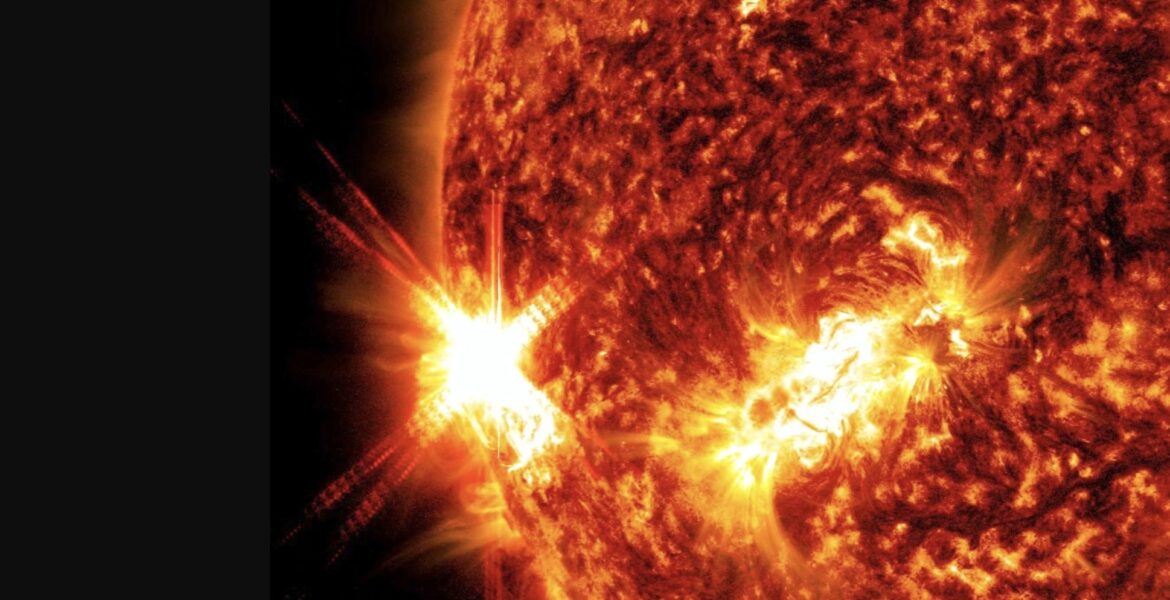
Solar flares, massive bursts of radiation from the sun’s surface, have long fascinated scientists and the general public alike. These eruptions can disrupt satellite communications, navigation systems, and even power grids on Earth. Understanding solar flares is crucial as we navigate an increasingly technology-dependent world, where even minor disruptions can have significant consequences.
What Are Solar Flares?
Solar flares occur when energy stored in magnetic fields in the sun’s atmosphere is suddenly released. This can give rise to radiation across the electromagnetic spectrum, from radio waves to X-rays. This phenomenon is part of the sun’s 11-year solar cycle, which includes periods of maximum activity, known as solar maximum, and minimum activity, known as solar minimum.
Recent Developments in Solar Activity
As of October 2023, scientists have observed an uptick in solar flare activity during the current solar cycle, which began in December 2019. According to the National Oceanic and Atmospheric Administration (NOAA), the sun is moving towards solar maximum, expected to peak around 2025. This increase in activity results in more frequent and intense solar flares, making it vital for researchers to monitor their impact on technology and infrastructure.
Effects on Earth
Solar flares can release a significant amount of energy that can interact with Earth’s magnetosphere. When this occurs, it can lead to geomagnetic storms, which may result in disturbances in electrical grids, increased radiation exposure for astronauts, and short-lived disruptions to GPS and communication systems. The consequences of large solar flares can be severe; for instance, a major solar storm in 1989 caused a nine-hour blackout in Quebec, Canada, affecting millions.
Forecasting and Preparedness
Researchers are working to enhance forecasting methods for solar flares to better mitigate their effects. Space weather monitoring satellites, such as NASA’s Solar Dynamics Observatory and ESA’s Solar Orbiter, are pivotal in tracking solar activity. As technology advances, it becomes increasingly important for governments, businesses, and individuals to stay informed about space weather and develop contingencies to protect sensitive technologies.
Conclusion
Understanding solar flares is essential, especially as we approach the solar maximum of the current cycle. The implications for satellite communication, navigation systems, and power grids underscore the importance of ongoing research and preparedness. Through continued observation and advancements in forecasting, we can better protect our technological infrastructure and mitigate the impact of these captivating yet powerful solar phenomena.
You may also like