Introduction
The debate surrounding social media bans has gained considerable traction in recent years. As various governments and institutions grapple with the impacts of online platforms on society, the idea of implementing a ban presents complex implications for communication, freedom of expression, and information dissemination. Understanding the reasons behind such bans is critical for citizens in an increasingly digital world.
Recent Developments
In October 2023, India announced a temporary ban on certain social media platforms following widespread unrest in several regions. Officials cited concerns over misinformation and incitement of violence as the primary reasons for the drastic measure. Similar actions have been observed in other countries like Turkey and Iran, which enforce restrictions during politically sensitive periods to control narratives and stop protests from gaining momentum. Studies indicate that social media can amplify unrest by facilitating the rapid spread of information and coordination among protestors, raising national security concerns.
Impact on Communication
The implications of such bans are significant. Proponents argue that they serve to maintain public order and protect citizens during times of crisis. However, critics highlight the adverse effects on freedom of speech, arguing that shutting down platforms restricts citizens’ abilities to engage in dialogue and express dissent. A noteworthy case was in Myanmar, where social media apps were shut down following a military coup, leading to widespread international condemnation due to the suppression of free press and communication.
Public Response and Alternatives
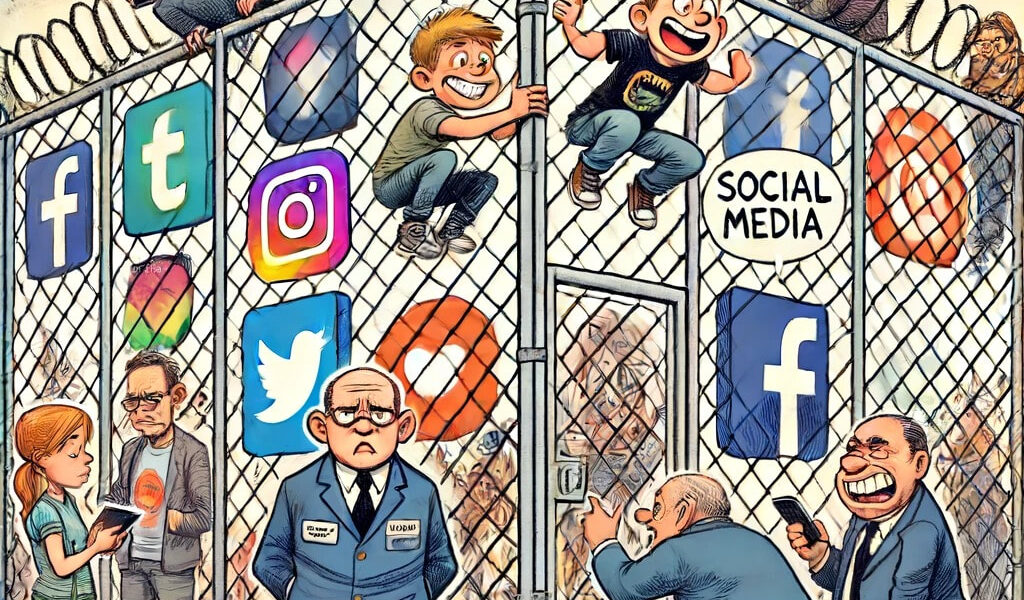
The public’s response to social media bans varies. In some cases, it has spurred individuals to seek alternative methods of communication, such as encrypted messaging apps or VPNs, to circumvent restrictions. Recent polls show that a significant portion of people in countries with bans are in favour of using such methods to maintain their ability to connect and share information. However, these alternatives can also pose challenges, as governments increasingly adapt to monitor and shut down these channels as well.
Conclusion
As the landscape of digital communication evolves, the discussion around social media bans will undoubtedly continue. While governments may implement such measures in the name of security, the long-term implications for civil liberties and democratic dialogue cannot be understated. Looking ahead, it remains crucial for policymakers to consider the balance between ensuring security and protecting the fundamental rights of citizens in the digital age.
You may also like