Introduction
The humble ice cube has become a staple in beverages around the world, playing a crucial role in not only cooling drinks but also enhancing their appeal and flavour. As the global beverage industry continues to innovate, the significance of ice cubes has evolved. From classic cocktails to modern soft drinks, ice cubes serve as an integral component that can enhance the overall drinking experience.
The History of Ice Cubes
The usage of ice in drinks dates back centuries, but the production of ice cubes as we know them today began in the early 19th century. It was in 1805 that a Scottish inventor named William Cullen demonstrated the process of artificial refrigeration. However, it wasn’t until the invention of the ice-making machine in the late 1800s that ice cubes became more accessible to the public.
Ice Cubes in the Beverage Industry
Today, ice cubes are essential in diverse sectors, from hospitality to home kitchens. They are not only used to chill beverages but also add visual appeal to drinks. Many bars and restaurants have adopted unique ice cube designs – from crystal clear cubes to fun shapes – to enhance the aesthetic of their cocktails. According to a recent survey by the International Bartenders Association, nearly 90% of cocktail recipes specifically instruct bartenders on the type of ice to use, illustrating its importance in the drink-making process.
Innovations in Ice Cube Production
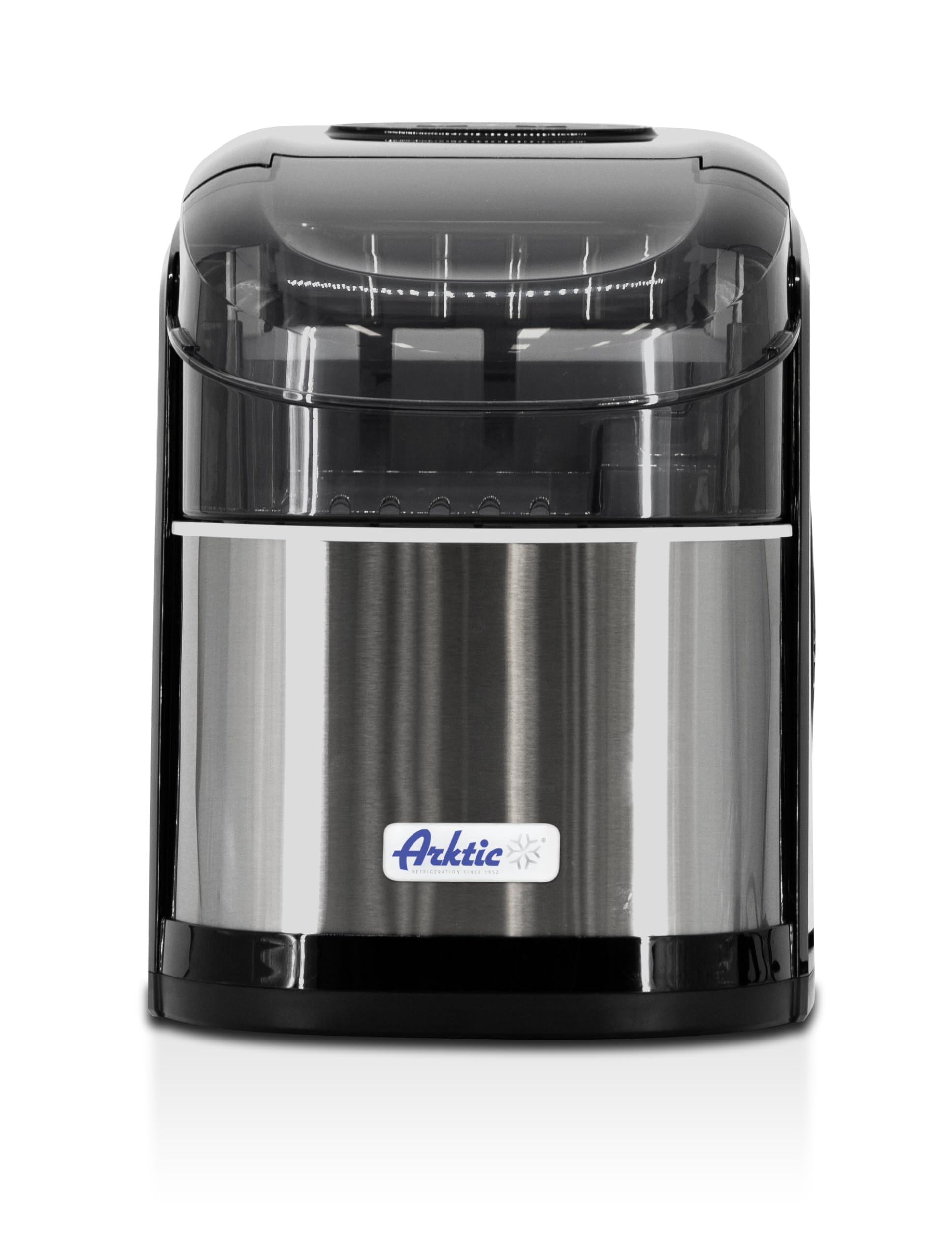
The recent surge in the craft cocktail movement has led to a renewed interest in ice quality. Bartenders are now experimenting with slow-melting, larger ice cubes that keep drinks colder for longer without diluting them quickly. The trend of artisanal ice, such as ice harvested from pure water sources and shaped by hand, has gained popularity amongst mixologists. Moreover, advancements in home ice machines have allowed consumers to produce high-quality ice at home.
Conclusion
The significance of ice cubes extends beyond mere temperature control; they are central to the overall drinking experience. Looking ahead, as consumer preferences shift towards unique and high-quality beverages, the role of ice cubes will likely continue to evolve. With the craft cocktail culture thriving and home bartending on the rise, ice production methods and designs will likely diversify, catering to an ever-growing demand for sophisticated drink presentations. Readers should appreciate the role that a simple ice cube plays in both their favourite cocktails and everyday beverages, as it is an essential innovation that continues to shape the way we enjoy drinks.
You may also like