Introduction
The classroom serves as the foundational space for education, shaping the minds of students and influencing their learning experiences. With the rapid advancements in technology and pedagogy, the role of the traditional classroom is evolving. Understanding this evolution is crucial for educators, parents, and policymakers as they navigate the future of education.
Current Trends in Classroom Design and Functionality
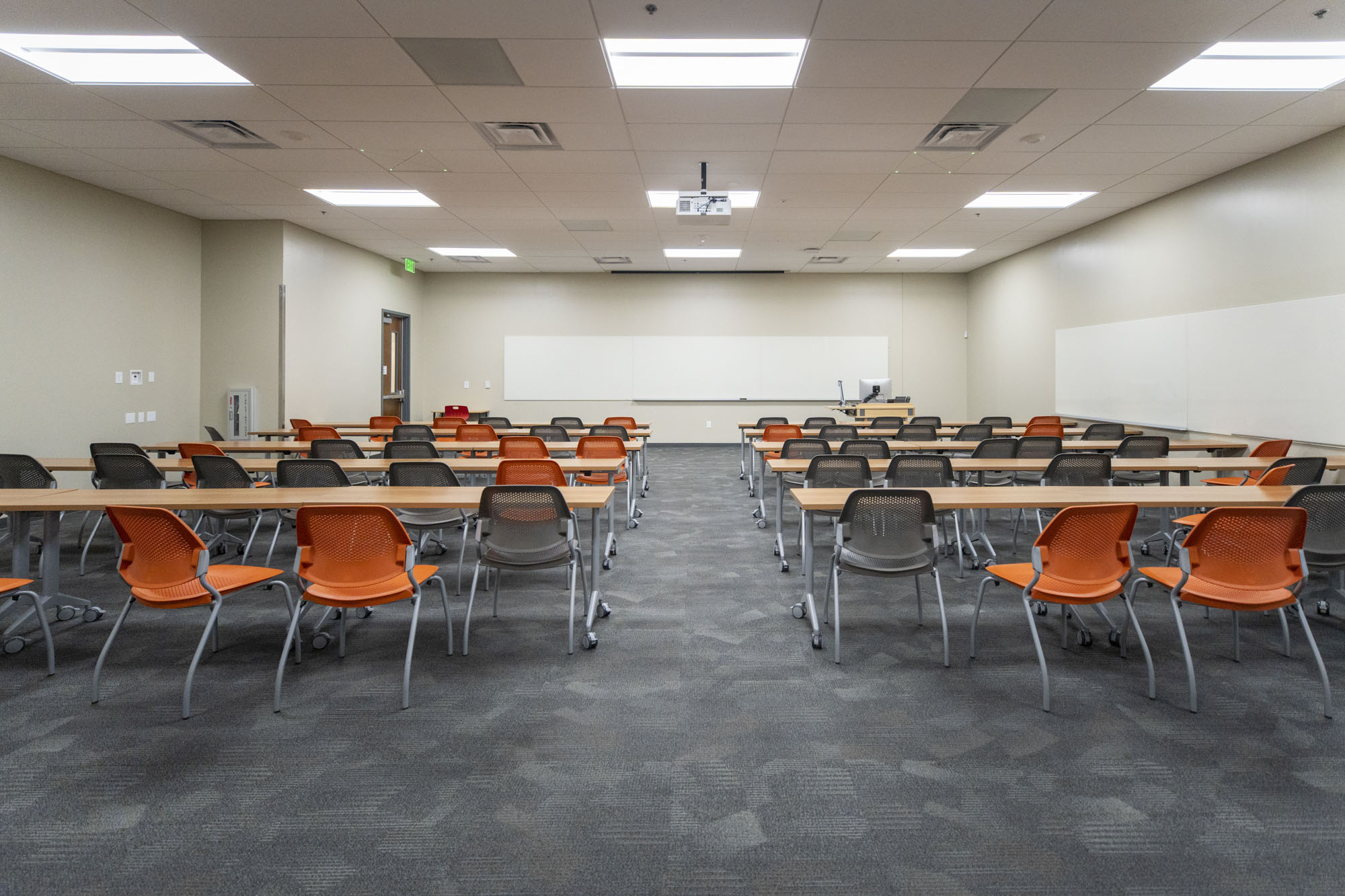
Recent years have witnessed significant changes in classroom design, aimed at fostering engagement and collaboration among students. Many schools have embraced flexible seating arrangements, allowing for group work and discussions rather than traditional rows of desks. The integration of technology has also transformed classrooms, with interactive whiteboards and tablets becoming commonplace. As of 2023, reports indicate that over 60% of primary and secondary schools in the UK have incorporated technology-enhanced learning environments.
The Impact of COVID-19 on Classroom Dynamics
The COVID-19 pandemic drastically altered the approach to teaching and learning. As schools shifted to online and hybrid models, the concept of a classroom expanded beyond physical walls. Educators adapted to new tools and platforms, ensuring that learning continued remotely. This experience has led to a reevaluation of classroom interactions and has sparked discussions on the balance between in-person and online learning. A survey conducted in mid-2023 revealed that 75% of educators expressed a desire for blended learning to remain a permanent option post-pandemic.
Importance of Inclusivity and Accessibility
Modern classrooms are increasingly recognising the importance of inclusivity and accessibility for all students. Curricula are being adjusted to cater to diverse learning needs, ensuring that every student has the opportunity to succeed. For instance, the introduction of assistive technologies in classrooms has provided support for students with disabilities, enhancing their learning experiences. The push for inclusivity highlights the essential role of classrooms in promoting equity within education.
Conclusion
The classroom, while a traditional concept, is undergoing a transformation that reflects the changing landscape of education. As we move forward, the classroom must adapt to embrace technology, inclusivity, and new teaching methodologies. For educators and stakeholders, recognizing these changes is vital for fostering effective learning environments. The future of education lies in the ability of classrooms to evolve, ensuring that they meet the diverse needs of all students while preparing them for the challenges ahead.
You may also like