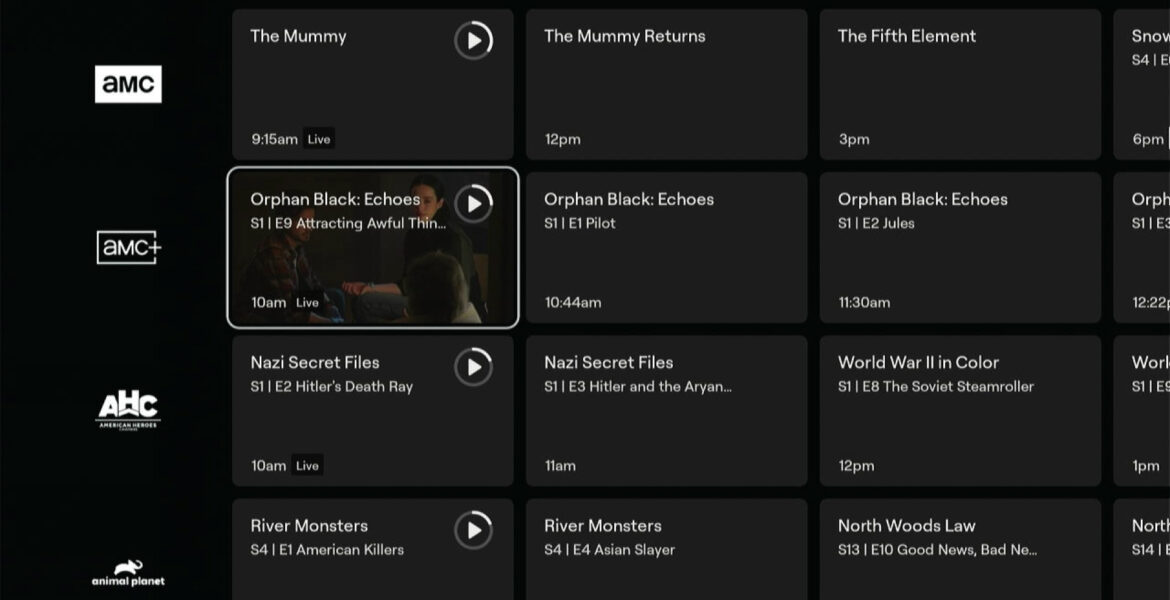
Introduction: Why TV Guides Matter
In an age where streaming platforms and traditional broadcasting coexist, knowing what to watch can be overwhelming. A TV guide serves as an essential tool for viewers, providing information about schedules, channels, and programming. With countless options available, a reliable TV guide helps audiences navigate their viewing preferences and is more relevant than ever.
Current Trends in TV Viewing
Recent statistics indicate that the use of TV guides is evolving alongside technology. According to a survey by Statista, approximately 38% of viewers still rely on printed TV guides, while 62% utilise digital formats. This trend highlights the increasing demand for online to peruse schedules and discover new shows. Streaming platforms also provide personalised recommendations, but a comprehensive TV guide is still critical for planning viewing schedules, especially for live broadcasts.
Major Events That Impact TV Programming
As global events unfold, broadcast networks adapt their shows and schedules. Recently, major sports events like the FIFA Women’s World Cup and the Olympics have prompted television networks to create special programming, leading to increased reliance on TV guides. Viewers want to be informed about game times and channel changes. The ongoing strikes in Hollywood have also impacted programming schedules, further stressing the significance of having a reliable TV guide to keep track of changes.
The Importance of Local Listings
Local listings play a crucial role in TV guides as they vary by region and are tailored to the viewer’s location. With increasing interest in localised content, networks are investing in region-specific programming. For example, community organisations use local channels to broadcast events, making a local TV guide indispensable for discovering local entertainment options.
Conclusion: The Future of TV Guides
As technology continues to advance, the role of the TV guide will likely evolve. Innovations like AI-based recommendation engines and interactive features may shape future guides, but the core function of providing clear and concise programming information will remain. For viewers, especially in a fragmented media landscape, having a TV guide is not just a convenience – it is essential for maximising their viewing experience in a rapidly changing environment.
You may also like