Introduction
BBC Question Time has long been a pivotal platform for political discourse in the United Kingdom. Since its inception in 1979, the show has provided a forum for politicians, public figures, and everyday citizens to engage in dialogue about pressing national issues. As political landscapes evolve and societal concerns shift, Question Time remains relevant in promoting democratic engagement and scrutiny of leaders.
Structure and Format
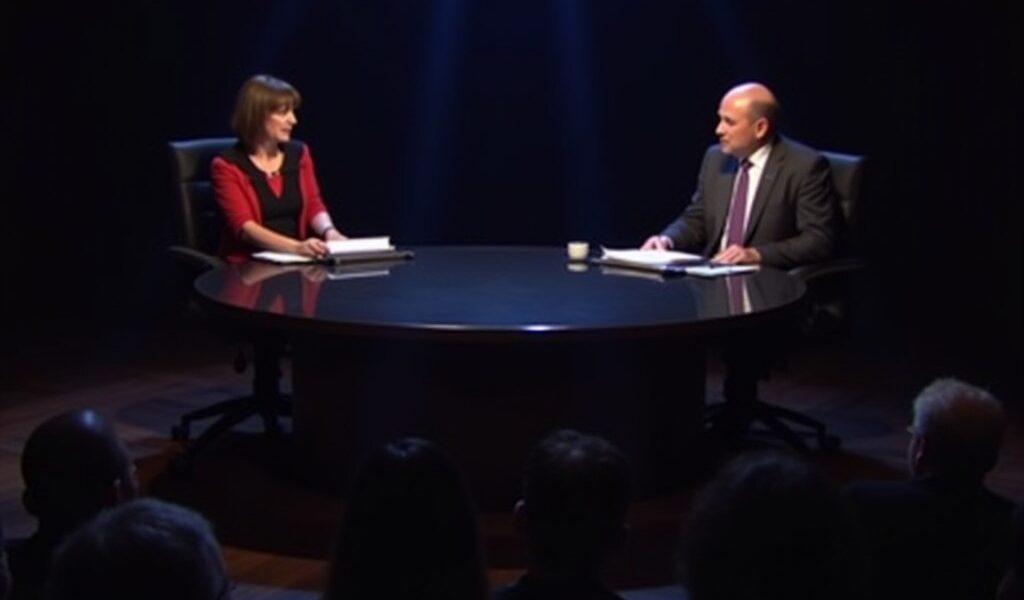
The programme features a panel of politicians and prominent public figures answering questions from a live audience, which reflects a wide range of opinions and backgrounds. This format not only encourages transparency but also fosters a sense of community among viewers, allowing individuals from various political and social backgrounds to engage in discussions that may otherwise seem inaccessible.
Recent Episodes and Highlights
In recent episodes, the panel has tackled a multitude of significant topics, such as the cost of living crisis, climate change, and social justice issues. For instance, the recent discussion on rising energy prices drew widespread attention and highlighted divergent perspectives from party representatives. Audience members expressed their frustrations while panelists attempted to address concerns and propose solutions, creating a lively exchange that resonates with viewers across the UK.
Impact on Public Discourse
The influence of BBC Question Time extends beyond the broadcast itself. It serves as a bellwether for public sentiment and often shapes subsequent media conversations. Polls conducted following episodes frequently indicate shifts in public opinion, showcasing the programme’s role in informing and transforming viewpoints. Furthermore, politicians often use the platform for damage control following poorly received policies or initiatives, underscoring its significance as a tool for accountability.
Conclusion
As the UK prepares for upcoming elections and a continually shifting political environment, the relevance of BBC Question Time is more pronounced than ever. It remains a crucial platform for fostering dialogue and debate, allowing citizens to hold their representatives accountable and express concerns directly. The ongoing engagement of a diverse audience ensures that the programme will continue to be a staple of British political culture, contributing to informed citizenship and a more participatory democracy.
You may also like