Introduction
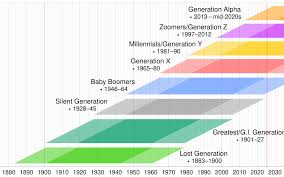
Generation Z, often referred to as Gen Z, encompasses individuals born approximately between 1997 and 2012. As the first true digital natives, they have grown up in an era dominated by technology, social media, and global connectivity. Understanding the behaviour, preferences, and values of Gen Z is crucial not only for parents and educators but also for businesses and marketers aiming to engage this influential demographic.
The Characteristics of Gen Z
This generation is notably characterised by their strong social consciousness and progressive views. Issues such as climate change, social justice, and mental health are at the forefront of their priorities. A recent survey by McKinsey shows that 70% of Gen Z members believe brands should take a stand on social issues. This indicates a shift in consumer expectations, where values align with purchasing decisions.
Impact on Culture and Communication
Gen Z years have introduced significant shifts in cultural norms and communication styles. Platforms such as TikTok and Snapchat are central to their social interactions, promoting short, engaging content over traditional forms of media. The use of emojis, memes, and even TikTok challenges has altered how they express sentiments and convey messages, resulting in a unique vernacular that might seem foreign to older generations.
Educational and Career Aspirations
Academically, Gen Z exhibits a preference for practicality. Many express concerns about financial instability and student debt, which influences their educational choices. According to a national report from the Work Institute, 71% of Gen Z workers are interested in entrepreneurial ventures rather than traditional employment paths. They tend to value flexibility, work-life balance, and opportunities for growth in their careers.
Conclusion
As we delve deeper into the Gen Z years, it is clear that this generation will significantly influence global trends in culture, economics, and social policy. Businesses that adapt to their values and habits will likely thrive in the coming years. Moreover, as educators and policymakers gain insights into Gen Z’s challenges and aspirations, they can foster environments that promote their growth and development. Understanding Gen Z not only prepares society for the future but also highlights their potential to create a more conscientious and connected world.
You may also like