Introduction
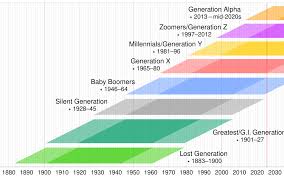
Generation X, typically defined as individuals born between 1965 and 1980, has often been overshadowed by the larger Baby Boomer and Millennial generations. However, their influence is pivotal in shaping today’s workforce, consumer habits, and cultural practices. As society grapples with rapid technological advancement and shifting social norms, understanding Generation X’s unique position can offer valuable insights into current dynamics.
Demographics and Characteristics
Generation X includes about 65 million individuals in the United States alone. This group is characterised by its resourcefulness, independence, and adaptability – traits developed during their upbringing in a time of significant social changes, economic challenges, and technological advancements. They experienced the rise of personal computers, the internet, and major cultural shifts, which have shaped their perspectives and behaviours.
Workforce Contributions
In the workplace, Generation X is often seen as the bridge between Baby Boomers and Millennials. They hold a wealth of experience and knowledge, which is crucial as they take on leadership roles. According to a recent study by the Pew Research Center, over 60% of Gen Xers have taken on managerial positions, making them integral to mentoring younger employees and shaping corporate cultures. Their approach to work-life balance often prioritises flexibility and family, influencing policies and work environments across various industries.
Challenges Faced
Despite their contributions, Generation X faces unique challenges. Many are currently positioned in the ‘sandwich generation’ — supporting both aging parents and their children simultaneously, which can lead to significant financial strain. Economic factors, including the impact of the COVID-19 pandemic, have also disproportionately affected this generation, since many are still recovering from the fallout of the 2008 financial crisis and facing job security issues.
Culture and Influence
Culturally, Generation X has made lasting impressions on music, film, and art. As the creators of grunge, hip-hop, and indie films, they challenged norms and celebrated diversity. Nowadays, they continue to influence pop culture while advocating for relevant social issues, such as workplace equity and mental health awareness. Their voice has become increasingly significant, particularly with platforms that allow for greater expression and activism.
Conclusion
As we navigate the complex societal landscape of the 21st century, the importance of Generation X cannot be understated. They serve as a crucial link among generations, bringing experience and insight into ongoing conversations around work, culture, and family life. Looking ahead, it will be vital to continue to support and understand the nuances of this generation, ensuring they are not left behind as society progresses. Their legacy will undoubtedly continue to shape the future for generations to come.
You may also like