Introduction
In our fast-paced world, knowing the time is more than just a simple question; it is crucial for coordinating activities, planning events, and maintaining our daily routines. Understanding ‘what time is it?’ connects us to the global community and influences various aspects of life, from business and travel to personal relationships.
The Significance of Time
Time keeps our daily lives structured. Whether it’s the 9 am meeting, school pick-up at 3 pm, or the much-anticipated dinner reservations at 7 pm, these moments depend on our ability to accurately track time. The widespread availability of digital devices ensures that most people carry a clock in their pocket. According to the latest surveys, over 85% of individuals check the time multiple times a day, highlighting its importance in daily decision-making.
Global Time Zones
Time isn’t uniform across the globe; it varies based on geographical locations due to the Earth’s rotation. The concept of time zones, established in the late 19th century, helps us understand this essential principle. For instance, when it’s noon in London, it’s only 7 am in New York City and 4 am in Los Angeles. This intricate web of time zones results in a significant impact on international business, travel itineraries, and communication. In 2023, the rise of remote working has shown that teams across different time zones must adapt their schedules to remain functional and effective.
Current Events Related to Time
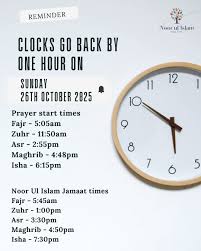
Recently, discussions surrounding daylight saving time have gained traction in various countries. Some regions are contemplating a permanent shift to a particular time to avoid the disruption caused by clock changes. Countries like the European Union are evaluating the implications of discontinuing the biannual time change, which raises questions about productivity, health, and the human circadian rhythm. As these debates continue, understanding what time it is could also affect public opinion and future legislation.
Conclusion
Knowing the time is an integral part of our lives that goes beyond mere curiosity. It affects our professional engagements, personal schedules, and global interactions. As society debates the future of timekeeping mechanisms globally, it will remain essential for individuals to stay informed of not only local but also international time zones. Future advancements in technology may further impact how we perceive and manage time. For now, the simple question ‘what time is it?’ holds immense significance, binding us together in the fabric of everyday life.
You may also like