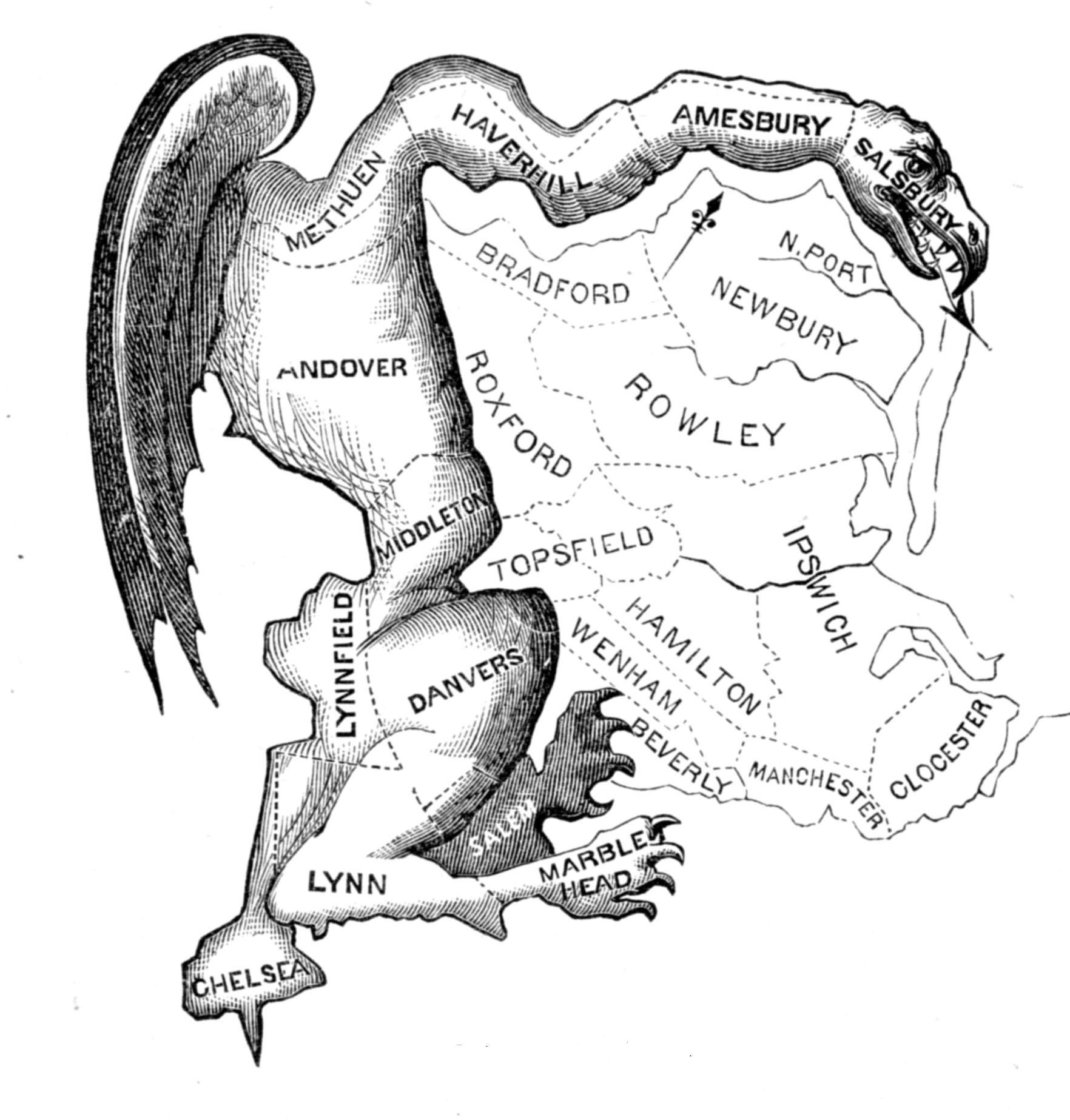
Introduction to Gerrymandering
Gerrymandering is a pivotal issue in contemporary politics, influencing electoral outcomes by manipulating district boundaries for partisan advantage. The practice has sparked debate over democratic integrity, representation, and justice within the electoral system. Understanding gerrymandering is crucial for voters, advocacy groups, and policymakers alike, as it impacts how votes are translated into seats and affects the overall health of democracy.
The Mechanics of Gerrymandering
At its core, gerrymandering involves the intentional drawing of electoral district boundaries in a way that benefits a specific political party or group. This can be accomplished through two primary techniques: packing and cracking. Packing involves concentrating voters of one party into a few districts to minimize their influence elsewhere, while cracking disperses them across multiple districts to dilute their voting power.
Recent data shows that gerrymandering continues to thrive in many states, with significant instances noted in the 2020 census redistricting process. In states like North Carolina and Wisconsin, district maps have been subject to scrutiny and legal challenges due to perceived partisan biases. Such scenarios raise questions about fairness and the representation of minority communities.
Current Events and Legal Challenges
In 2023, several court cases across the United States have spotlighted gerrymandering as a pressing legal and political issue. For instance, in Alabama, the U.S. Supreme Court ruled that the state’s congressional map was unfairly drawn, requiring a revision that better represents the African American population. This ruling sends a strong message regarding the judicial system’s role in addressing gerrymandering and ensuring fair electoral processes.
Moreover, nonprofit organisations and grassroots movements are mobilising to combat gerrymandering by advocating for independent redistricting commissions. States like California and Michigan have adopted measures that promote transparency and fairness in defining district lines, suggesting a growing trend towards reform.
Conclusion and Future Implications
The significance of addressing gerrymandering cannot be overstated. As recent events demonstrate, the manipulation of electoral boundaries raises serious concerns over democratic representation and voter disenfranchisement. With ongoing legal battles and reform efforts, the discourse around gerrymandering is far from over.
For voters, understanding gerrymandering is crucial to holding elected officials accountable and engaging in the democratic process. As the fight against gerrymandering continues, the outcomes of these efforts could reshape the political landscape, ensuring that every vote carries equal weight and that democracy functions as it should, giving voice to all citizens.
You may also like