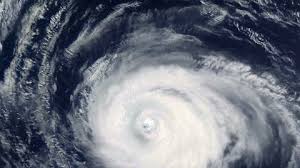
The Significance of Tropical Cyclones
Tropical cyclones, also known as hurricanes or typhoons depending on their region, are powerful storm systems formed over warm ocean waters. With climate change causing increased sea temperatures, the frequency and intensity of these storms have drawn heightened attention and concern from scientists and governments alike. Understanding tropical cyclones is vital, as they pose significant risks to human life, infrastructure, and ecosystems.
Recent Developments in Tropical Cyclone Activity
As of October 2023, the Pacific and Atlantic regions have experienced a series of intense tropical cyclones. A notable event occurred in September when Hurricane Lee rapidly intensified, leading to widespread warnings across the eastern United States and Canada. This storm showcased the unpredictable nature of tropical cyclones and their capacity to wreak havoc even in well-prepared regions.
In the same timeframe, Typhoon Haikui made landfall in Taiwan and China, resulting in severe flooding and property damage. Reports indicate that climate change is likely contributing to the increased intensity of such storms, as warmer waters can fuel their development.
The Impact of Climate Change
Climate scientists warn that as global temperatures rise, we can expect more frequent and stronger tropical cyclones in the future. A recent study from the National Oceanic and Atmospheric Administration (NOAA) suggests that the average wind speeds of these storms could increase substantially, leading to greater destruction as communities face stronger winds and heavier rainfall.
Preparedness and Response
In light of these developments, authorities are focusing on improving preparedness and response strategies. This involves enhancing early warning systems, investing in infrastructure resilience, and educating communities on evacuation plans and safety measures. The recent storms have underscored the need for local and national governments to reinforce their disaster readiness and response strategies.
Conclusion
Tropical cyclones remain a subject of critical importance, especially as climate conditions continue to evolve. Understanding the patterns and risks associated with these natural disasters is essential for protection and mitigation efforts. As we look ahead, it is imperative that communities, researchers, and policymakers collaborate to enhance resilience, ensuring that we are well-equipped to face the challenges posed by future tropical cyclones.
You may also like