The Relevance of Wolves in Today’s Ecosystem
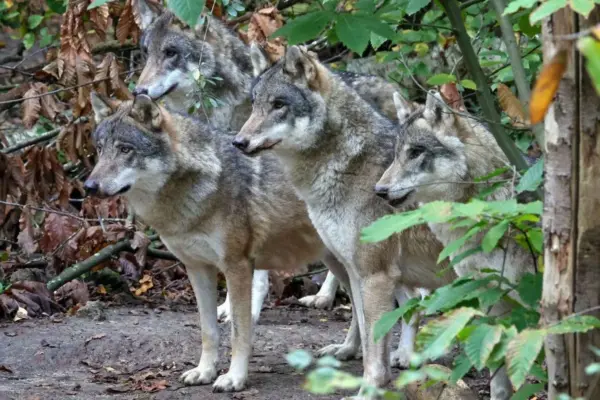
Wolves play a crucial role in maintaining the ecological balance of their habitats. As apex predators, they help regulate prey populations, which can lead to healthier, more diverse ecosystems. The presence of wolves can also influence the behaviour of other species, contributing to a richer biodiversity.
Current Events Surrounding Wolf Populations
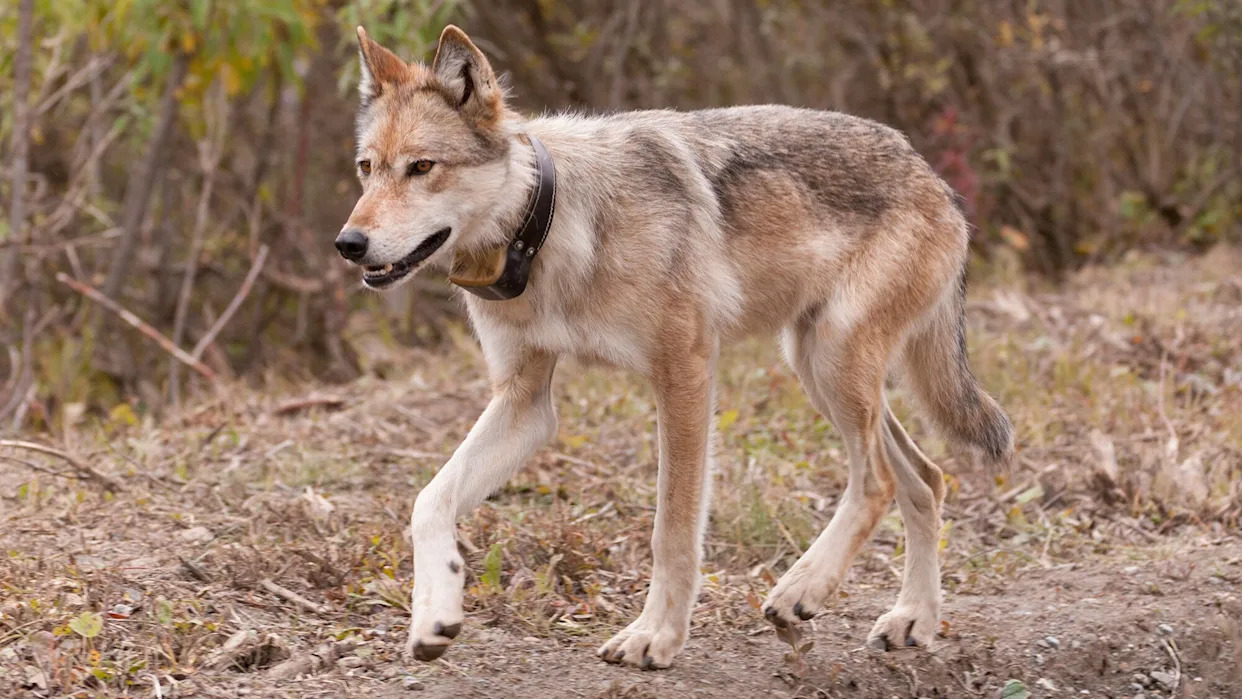
Recently, there has been a surge in attention towards wolf populations globally due to ongoing conservation efforts and discussions surrounding their management. In the United States, particularly in areas like Yellowstone National Park, wolves have been reintroduced after being eradicated in the early 20th century. Since their reintroduction in the mid-1990s, researchers have observed dramatic changes in the park’s ecosystem, such as increased populations of vegetation and animals that were previously overgrazed by elk.
In the UK, the conversation about re-establishing wolf populations has gained traction, with wildlife conservationists advocating for their return to create a natural balance in rural ecosystems. Various studies have indicated that wolves could aid in controlling deer populations, which have, in some areas, become overabundant and detrimental to local flora.
Conservation Challenges and Controversies
Despite their ecological significance, wolves face numerous challenges including habitat loss, human-wildlife conflict, and hunting pressures. In regions where wolves are hunted, populations can dwindle, creating a ripple effect throughout the ecosystem. Efforts like the Endangered Species Act in the United States aim to protect these animals, although they face political and social controversies that question the balance between conservation and livestock management.
Conclusion: The Future of Wolves
The future of wolves is intricately linked to human decisions about habitat preservation and species management. As more people recognise the importance of wolves in the ecosystem, there is hope for policies that would safeguard their populations. Supporting conservation initiatives not only benefits wolves but also enriches biodiversity, proving that the fate of predators greatly influences the health of entire ecosystems. For nature enthusiasts and environmental advocates, the ongoing dialogue surrounding wolves represents both a challenge and an opportunity to engage in the conservation of our planet.
You may also like