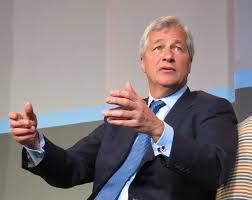
Introduction: The Significance of Jamie Dimon
Jamie Dimon is a name synonymous with the banking industry. As the Chairman and CEO of JPMorgan Chase, he has played a pivotal role in shaping global finance through his leadership and strategic decisions. His insights and opinions are not only highly sought after in the financial sector but also give a glimpse into the future of banking and economic policies in a challenging global economy.
A Legacy of Leadership
Dimon joined JPMorgan Chase in 2000 when it was formed by the merger of J.P. Morgan and Chase Manhattan Corp. Under his stewardship, the bank has navigated through the 2008 financial crisis and emerged stronger than many of its competitors. He is known for his candid remarks regarding the industry, having previously warned about the potential perils of regulation, as well as the need for banks to adapt to technological advancements.
Recent Developments and Challenges
In a recent announcement, JPMorgan Chase reported impressive quarterly earnings, showcasing the bank’s ability to thrive amidst rising interest rates and inflation. Dimon, in his analysis, pointed to strong consumer spending and business investments as contributing factors. However, he also flagged potential headwinds including geopolitical tensions and an uncertain economic outlook. His remarks resonate with the uncertainty many businesses are currently facing as they brace for a possible recession.
Dimon’s Vision for the Future
Looking ahead, Dimon emphasizes the importance of innovation within the industry. He strongly advocates for embracing technology, particularly in enhancing customer services and streamlining operations. Innovations such as blockchain and digital currencies are on his agenda, urging the banking sector to be proactive rather than reactive to these trends.
Conclusion: The Impact of Jamie Dimon
As a prominent figure in banking, Jamie Dimon’s influence stretches beyond JPMorgan Chase. His insights into economic trends, along with his focus on innovation, position him as a thought leader for the entire financial sector. Analysts and industry leaders will continue to watch how his strategies unfold in response to emerging challenges. For readers, understanding Dimon’s approach can provide valuable context for the current and future landscape of banking.
You may also like