Introduction
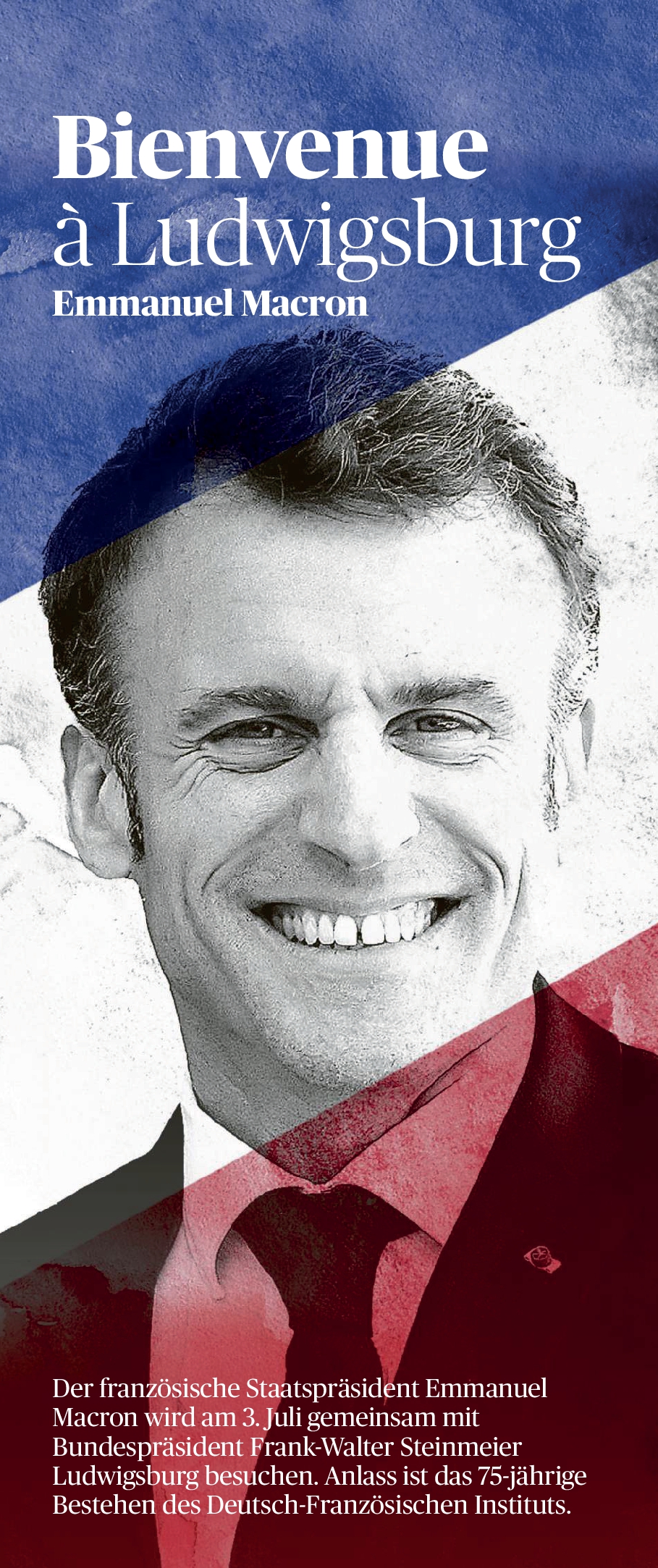
Since his election as President of France in 2017, Emmanuel Macron has significantly influenced both national and European politics. His policies and leadership style have sparked intense debate, making him a pivotal figure not only in France but also in the wider European context. With key challenges ranging from economic reforms to international relations, Macron’s tenure provides critical insights into contemporary governance.
Macron’s Economic Policies
Macron, a centrist, has promoted liberal economic policies aimed at revitalising France’s economy. His initiative to reform the labour market, which included reducing the power of trade unions and modifying regulations to encourage entrepreneurship, aimed at decreasing unemployment and fostering job creation. Recent statistics show a decrease in unemployment rates, hinting that his economic strategy may be yielding results. Despite facing pushback from various groups, including unions and political opponents, these reforms could redefine the employment landscape in France.
International Relations and European Unity
On the international stage, Macron has positioned himself as a champion for a more united and sovereign Europe. He has called for greater integration among EU member states, particularly in areas like defence and digital policy, often standing in contrast to populist movements across the continent. Macron’s recent advocacy for a unified response to geopolitical challenges, such as the Ukraine crisis, highlights his commitment to a robust European Union. His leadership underscores the importance of collaborative strategies in addressing complex global issues.
Public Response and Future Prospects
Macron’s presidency has not been without controversy. His policies have provoked significant public protests, notably the Yellow Vest movement, which challenged his government’s approach to economic inequality. As elections approach, public sentiment appears mixed; while some view Macron as a progressive leader, others are critical of his reforms and perceived elitism. Analysts suggest that the upcoming elections will be crucial in determining whether his vision for France and Europe can continue to unfold or if it will face significant opposition.
Conclusion
Emmanuel Macron’s leadership encapsulates the challenges and opportunities within modern governance. His approach to economic reform and European unity reflects both his ambitions for France and a response to rising populism. As the political landscape continues to evolve, the significance of Macron’s presidency may serve as a bellwether for the future direction of both France and the European Union. Readers should stay attuned to how Macron navigates these complex issues and what it means for the region’s stability and prosperity.
You may also like