Introduction
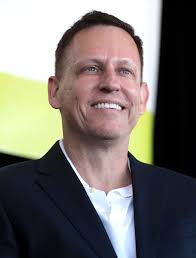
Peter Thiel, a billionaire entrepreneur and venture capitalist, has emerged as a significant figure in both the technology and political arenas. As one of the co-founders of PayPal and an early investor in Facebook, Thiel’s influence spans various industries and extends to his political engagements. His perspectives on technological advancement and modern societal challenges have triggered extensive discussions, making his viewpoints particularly relevant in today’s rapidly changing landscape.
The Business Ventures and Investments
Thiel was born in Germany in 1967, later moving to the United States, where he attended Stanford University and established his career in technology. In 1998, he co-founded PayPal, which revolutionised online payments and was later sold to eBay for $1.5 billion in stock. Following this success, Thiel invested early in promising tech companies, including Facebook in 2004, which yielded substantial returns as the platform flourished into one of the largest social media networks worldwide. Through his venture capital firm, Founders Fund, he has continued to support innovative tech startups across various sectors, significantly impacting the direction of Silicon Valley.
Political Involvement and Views
Beyond his business endeavours, Peter Thiel has been vocal about his political ideologies and support for conservative causes. He gained national attention for his backing of Donald Trump during the 2016 presidential campaign, a move that established him as a controversial and influential figure in American politics. Thiel’s views often centre on the potential of technological advancements to solve societal issues, though he has faced criticism for his eclectic beliefs, particularly regarding the role of government and privacy.
Philanthropy and Future Endeavours
Thiel’s philanthropic efforts are equally notable. He has launched several initiatives aimed at fostering innovation and providing support for scientific research. His Thiel Fellowship programme encourages young entrepreneurs to forgo traditional college paths in favour of starting their businesses, challenging conventional wisdom about education and success. As technology evolves, Thiel’s ongoing projects and investments continue to draw attention from both supporters and critics alike.
Conclusion
Peter Thiel remains a pivotal figure in shaping the narrative surrounding technology and politics. His unique blend of entrepreneurship and public engagement reflects broader trends in Silicon Valley’s influence on global politics. As society navigates the intersection of innovation, individuality, and governance, Thiel’s role will likely continue to be a topic of both interest and contention, signifying the importance of understanding the relations between technological growth and its implications on our world.
You may also like