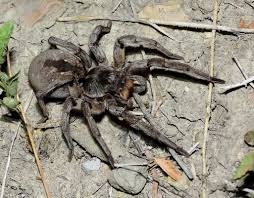
Introduction: Understanding Wolf Spiders
Wolf spiders are a captivating and essential part of our ecosystem, renowned for their exceptional hunting skills and unique behaviours. Unlike other spiders, which may weave webs to catch prey, wolf spiders are active hunters, using their keen eyesight and agility to stalk and ambush. This ability not only makes them fascinating subjects for study but also highlights their importance in controlling pest populations.
Characteristics of Wolf Spiders
Wolf spiders belong to the family Lycosidae, which encompasses over 300 species spread across the globe. They typically range from 1 to 4 cm in size, displaying varied colours and patterns that help them blend into their environments. Their well-developed vision sets them apart, with eight eyes arranged in three rows; the middle row contains the largest eyes, providing excellent night vision.
Behaviour and Habitat
These spiders are primarily nocturnal, using their speed and stealth to hunt on the ground. Wolf spiders do not spin webs to trap prey; instead, they rely on their hunting prowess, capturing insects and other small creatures. They are found in diverse habitats, from gardens and forests to grasslands and wetlands, preferring areas with ample cover and prey availability.
During the mating season, male wolf spiders perform elaborate courtship displays, showcasing their agility and strength. After mating, females demonstrate remarkable maternal instincts, carrying their egg sacs attached to their spinnerets until the young hatch and can fend for themselves.
Wolf Spiders and Humans
While many people may fear spiders, wolf spiders are generally non-aggressive and will bite only if provoked. Their venom is mild and rarely harmful to humans, often causing only minor irritation. Moreover, they play a crucial role in maintaining ecological balance by controlling insect populations, making them beneficial partners in the environment.
Conclusion: The Significance of Wolf Spiders
In conclusion, wolf spiders are not just another species of arachnids; they are remarkable creatures with unique adaptations that enable them to thrive in a variety of environments. Their hunting capabilities and role in the ecosystem are critical, contributing to the natural pest control that benefits agriculture and human habitats alike. Understanding and appreciating these fascinating spiders can help bridge the gap between humans and the natural world, fostering a greater respect for biodiversity and environmental health.
You may also like