Introduction
The Last Duel, which took place in 1386, remains a poignant chapter in French history, symbolising not only the nature of honour but also the complexities of justice in the medieval era. This duel, fought between Jean de Carrouges and Jacques Le Gris, encapsulated a pivotal moment where both personal vendettas and societal norms collided, reflecting the harsh realities of that time. Understanding its significance provides insight into the past and raises important questions about morality and power dynamics that resonate even today.
The Historical Context
Diving into Medieval France, the Last Duel was a manifestation of chivalric values deeply entrenched in 14th-century society. Jean de Carrouges, a knight known for his fierce reputation and service in the Hundred Years’ War, accused Jacques Le Gris of raping his wife, Marguerite. At the time, accusations were not easily resolved; thus, Carrouges sought justice through a trial by combat, a common practice believed to determine the truth and divine judgement.
The duel was sanctioned by King Charles VI and highlighted the importance of honour among knights. The legal system at the time was heavily skewed, often favouring the aristocracy, which positioned this duel as a rare opportunity for a peasant woman’s voice to be heard. Marguerite’s involvement was essential as her testimony not only brought the case to light but also challenged the traditional gender roles of the period.
The Duel
The duel itself took place in December 1386 in Paris and was attended by a large crowd. Carrouges and Le Gris fought to the death, representing not just their own grievances but the wider societal disputes of honour and truth. Ultimately, Carrouges emerged victorious, and Le Gris was executed. The outcome, however, raised further discussions on the efficacy and morality of trial by combat, leaving a legacy that questioned the validity of such practices.
Conclusion
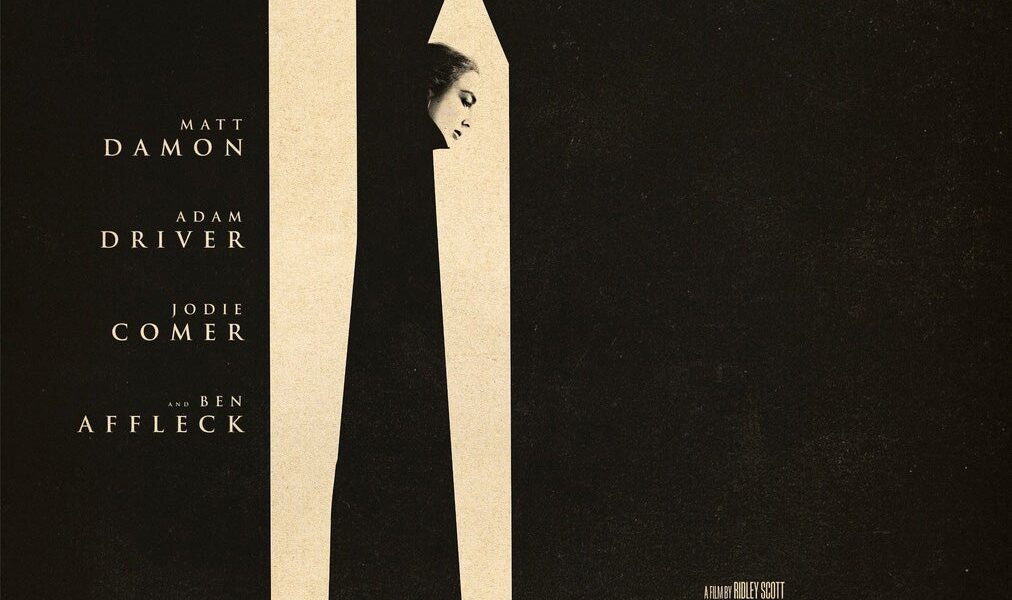
The Last Duel serves as a critical reflection on medieval values, the implications of honour, and the complicated nature of justice. It has recently captivated audiences again through literature and film adaptations, prompting discussions about historical narratives and the evolution of societal norms regarding gender and power. As we continue to study events like The Last Duel, we uncover lessons that remain relevant, urging us to reflect on justice and moral truths in our own times.
You may also like