Introduction
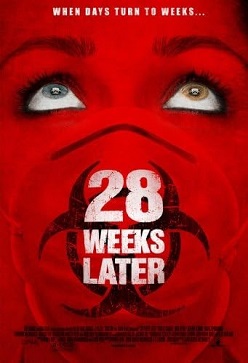
The 2007 film 28 Weeks Later serves as a significant sequel to the critically acclaimed 28 Days Later, expanding its dystopian universe and redefining the zombie genre. Directed by Juan Carlos Fresnadillo, this film builds upon the themes of survival and societal collapse introduced in its predecessor, adding layers of complexity and tension. As audiences remain intrigued by pandemic narratives in modern cinema, the relevance and impact of 28 Weeks Later continue to resonate.
Plot Overview and Reception
28 Weeks Later takes place in a post-apocalyptic London that attempts to rebuild itself after the devastating outbreak of the Rage Virus. The story focuses on the experiences of the characters Don (Robert Carlyle) and his children, who find themselves trapped in a horrific cycle of violence and survival. The film received a generally positive reception, with critics praising its tense atmosphere and visual styling. It grossed approximately $64 million worldwide, revealing its impact beyond the initial cult following of the first film.
Cinematic Techniques and Innovations
The film is noted for employing several innovative cinematic techniques, including the use of both handheld and steady cameras to enhance the frantic and chaotic feel of the post-apocalyptic setting. The haunting score composed by John Murphy effectively complements the film’s emotional weight, delivering an immersive experience for viewers. The cinematic portrayal of the infected—a stark contrast to traditional zombie representations—invites audiences to confront both fear and empathy amidst the horror.
Legacy and Influence on the Genre
28 Weeks Later has not only contributed to the ongoing discourse around viral pandemics in media post-2000s but has also influenced subsequent films and television series within the horror genre. Its concept of rapid infection and societal breakdown has become a relatable thematic element given recent global events, such as the COVID-19 pandemic. The film’s legacy is evident in its ability to blend thrilling action with commentary on human behaviour in extreme circumstances.
Conclusion
As the horror genre continues to evolve, 28 Weeks Later remains a significant benchmark for films exploring themes of apocalypse and survival. It stands as a testament to the powerful story-telling capabilities of the horror genre and its ability to reflect contemporary societal fears. As we navigate an ever-changing world, the resonance of such narratives serves as a reminder of the fragility of civilization and the instincts that drive humanity in times of crisis.
You may also like