Introduction
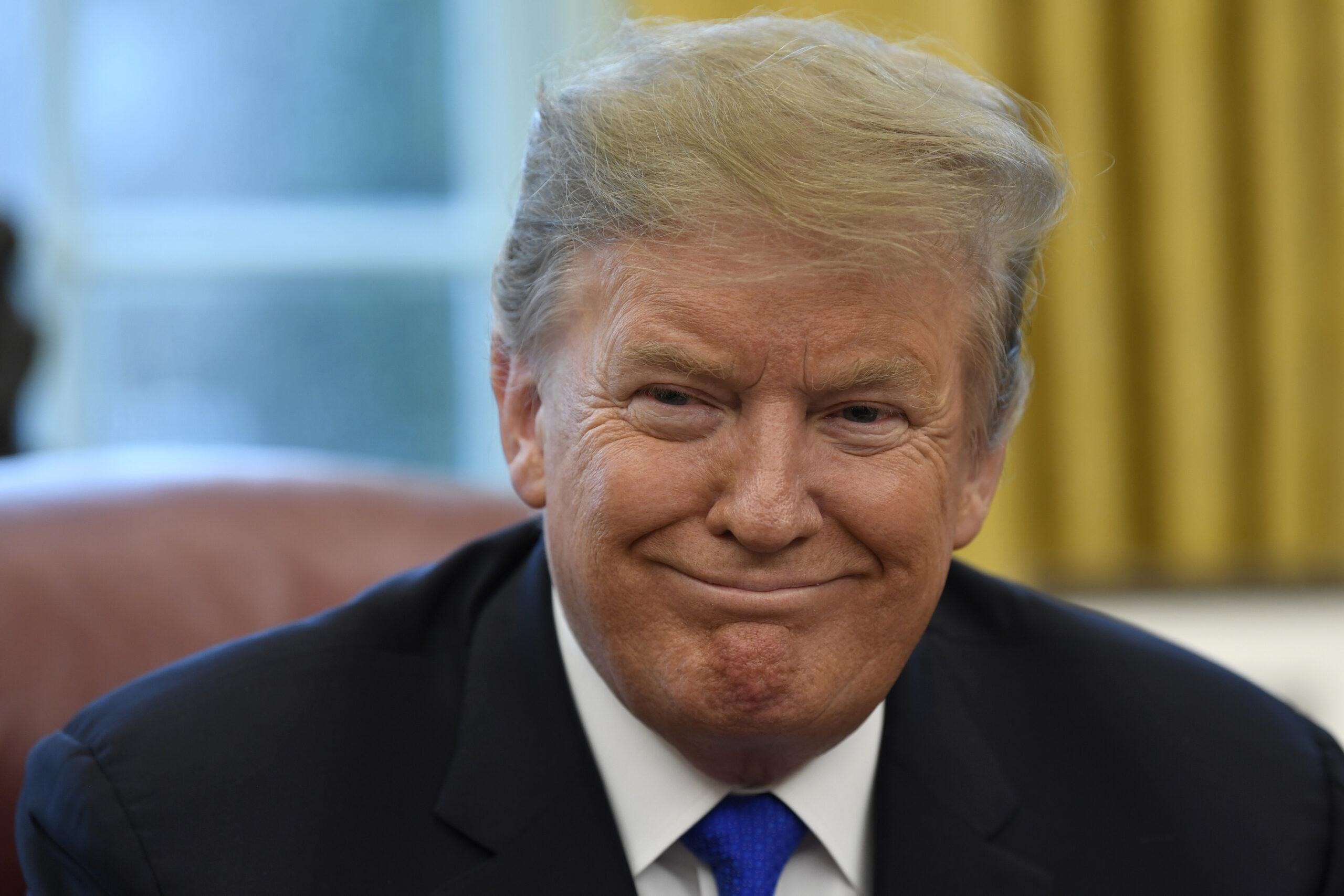
Donald J. Trump, the 45th President of the United States, continues to exert a significant influence on American politics even after leaving office. His presidency marked a controversial chapter in U.S. history, characterised by polarising policies, a distinct communication style, and significant developments in domestic and foreign affairs. Understanding Trump’s enduring impact is essential for comprehending the current and future political landscape.
Trump’s Political Influence
Since his tenure, Trump’s influence has remained palpable within the Republican Party. Many of his policies, such as tax cuts and strict immigration measures, are still cherished by party loyalists. According to recent polls, around 70% of Republican voters continue to support Trump’s leadership, demonstrating his hold on the party’s base.
Additionally, Trump’s endorsement carries considerable weight in primary elections, often determining the success or failure of candidates seeking office. This influence was notably observed in the recent primaries for the 2024 presidential election, where several candidates aligned their platforms with Trump’s populist agenda. His ability to rally and mobilise support has reshaped the party’s trajectory, steering it towards a more confrontational and ideologically distinct approach.
The January 6 Capitol Riot and its Aftermath
One of the most significant events during and post-Trump presidency was the Capitol riot on January 6, 2021. The incident raised critical questions about the state of democracy in the U.S. and the responsibilities of political leaders. Following the riot, Trump faced a second impeachment, and the event led to widespread discussions about political rhetoric and its potential consequences.
The January 6 event has had a lasting impact, leading to increased security measures at the Capitol and ongoing investigations into the circumstances surrounding the attack. Political analysts argue that this incident further entrenched divisions in U.S. politics, illustrating the consequences of extreme partisanship.
Conclusion
Donald Trump’s impact on American politics is undeniable and multifaceted. His influence within the Republican Party sets a tone that may affect future elections and governance. As the nation approaches the 2024 elections, the questions surrounding Trump’s legacy — his policies, controversies, and the state of political discourse — remain paramount. The ongoing relevance of his political presence indicates that discussions about Trump’s era will continue to shape political narratives in the U.S. and beyond, making it essential for citizens to stay informed about its implications.
You may also like