Introduction
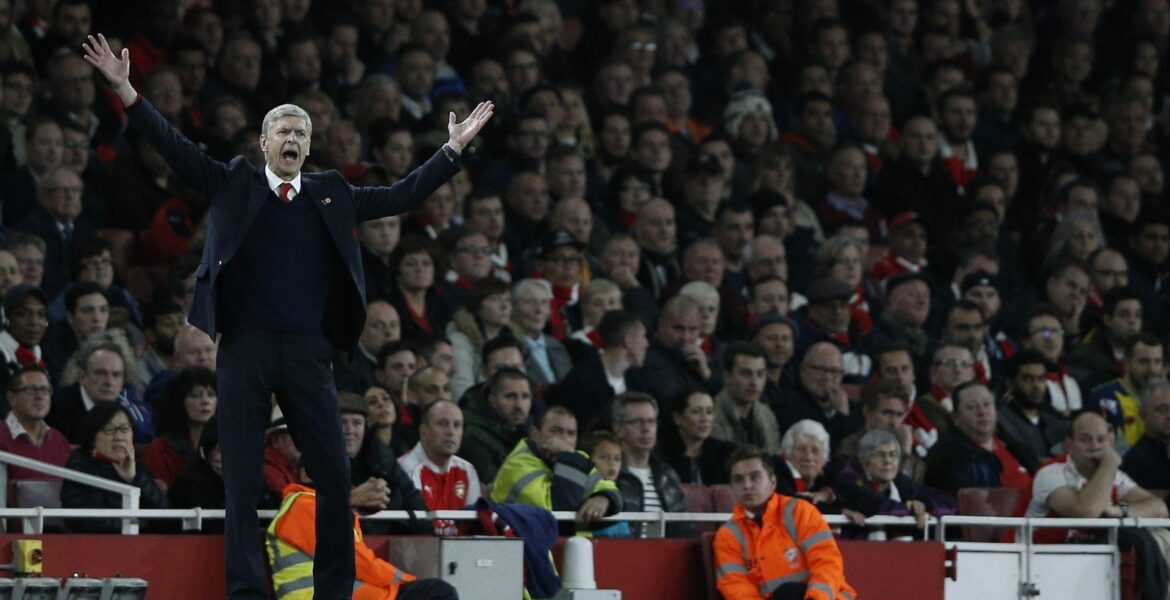
Arsène Wenger, the renowned former Arsenal manager, is celebrated not just for his tactical genius but also for his profound impact on the football landscape. His approach revolutionised the English game, introducing modern methods and philosophies, which resonate to this day. Understanding Wenger’s influence is crucial for football fans and aspiring managers alike, as it highlights the evolution of coaching in the sport.
An Iconic Career
Wenger’s managerial career began in the late 1980s with AS Nancy in France before moving to AS Monaco, where he clinched the Ligue 1 title in 1988. However, it was his appointment at Arsenal in 1996 that thrust him into the global spotlight. Under Wenger, Arsenal not only became a dominant force in English football but also set new standards of play, emphasising attacking football, technical skill, and diet.
Revolutionising English Football
Wenger’s era at Arsenal saw unprecedented success, including an unbeaten league season in 2003-04, earning the team the nickname “The Invincibles.” Beyond trophies, Wenger transformed the culture around fitness and nutrition, leading English clubs towards a more scientific approach to player training. His emphasis on youth development at Arsenal also paved the way for talents like Thierry Henry, Cesc Fàbregas, and more recently, Bukayo Saka, to flourish.
Legacy and Modern Influence
After leaving Arsenal in 2018, Wenger’s presence in football continued as FIFA’s Chief of Global Football Development. He advocates for changes in the game, including the introduction of a biennial World Cup, a contentious topic among fans and federations. His vision reflects a lifelong commitment to evolving football and enhancing its global appeal.
Conclusion
Arsène Wenger’s contributions to football extend well beyond his trophy cabinet. His ideologies and innovations have reshaped the modern game, setting a benchmark for future generations. As football continues to evolve, Wenger’s philosophies on gameplay, management, and athlete development will undoubtedly influence the sport for years to come. For fans and aspiring coaches alike, Wenger remains an enduring icon, a symbol of what dedication and innovation can achieve in football.
You may also like