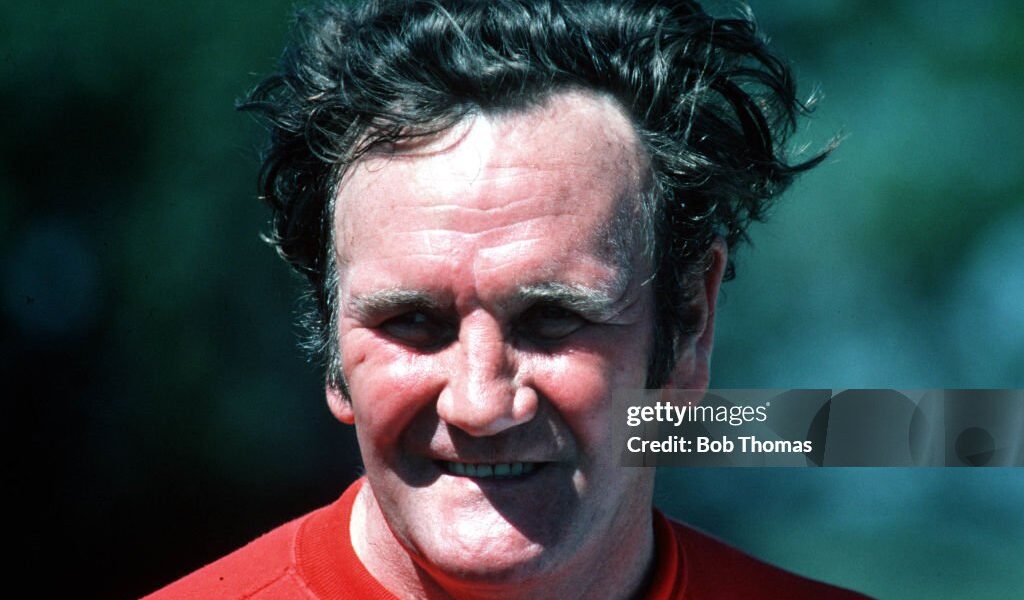
Introduction
Don Revie remains a towering figure in the history of English football, renowned for his transformative role as the manager of Leeds United during the late 1960s and 1970s. His tactical innovations and leadership helped shape a team that not only dominated English football but also created a lasting legacy for future generations. This article examines Revie’s impact on the sport and why he continues to be relevant in discussions about football leadership and strategy.
Revie’s Early Career and Rise at Leeds
Born in 1927, Don Revie began his footballing journey as a player with Leicester City and then moved to Hull City, before making a name for himself at Leeds United. He transitioned to management in 1961, taking over a struggling Leeds team. Revie infused the squad with a winning mentality, blending robust defensive strategies with an incisive attacking style. His philosophy focused on total football, adaptability in tactics, and fitness—elements that would lay the groundwork for Leeds’ success.
Achievements with Leeds United
Under Revie’s guidance, Leeds United enjoyed unprecedented success. From 1965 to 1974, the team won numerous titles, including two First Division championships (1968 and 1974), a FA Cup (1972), and multiple European competitions, culminating in a European Cup Finals appearance in 1975. Revie’s teams were known for their physical prowess, tactical discipline, and a strong team spirit, which captivated fans and critics alike.
Controversy and Criticism
While Revie’s achievements are celebrated, his tenure was also marked by controversy. Leeds were often scrutinised for their aggressive playing style, leading many to label them as ‘dirty’. This reputation simmered into the public consciousness and has influenced how Revie’s legacy is viewed. However, his contributions to football tactics and player development cannot be understated, as many managers have drawn inspiration from his methodologies.
Legacy and Influence
Don Revie’s legacy extends beyond his trophy cabinet. He was a pioneering figure in football management with a focus on youth development and sports science. His impact reached its zenith when he was appointed as the England national team manager in the 1970s, although his time there was marred by disappointment. Nevertheless, Revie’s approach has inspired countless coaches, and his teachings continue to resonate in modern football.
Conclusion
Don Revie’s story is one of triumph, controversy, and undeniable influence in the world of football. As more managers seek to balance tactical innovation with player welfare, Revie’s methods and philosophies are as relevant today as they were during his time at Leeds. His legacy as a football icon serves as a reminder of the complexities of management and the enduring power of leadership in sports.
You may also like