Introduction
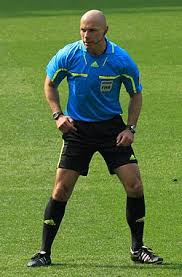
Howard Webb is a name synonymous with football officiating, having established himself as one of the sport’s most respected referees. His career not only reflects a commitment to the integrity of the game but also showcases the evolving role of referees in modern football. With the ongoing discussions about officiating quality and VAR implementations, Webb’s experiences and insights have never been more relevant.
Career Overview
Born on July 14, 1971, in Rotherham, England, Howard Webb began his officiating career in local leagues before progressing to the professional ranks. Admired for his composure, authoritative decision-making, and ability to handle intense pressure, Webb quickly garnered attention, ultimately becoming a FIFA-listed referee in 2005. He officiated in numerous high-profile matches, including the UEFA Champions League and the FIFA World Cup.
Major Matches and Achievements
Webb’s most notable achievement came during the 2010 FIFA World Cup held in South Africa, where he officiated the final match between the Netherlands and Spain. His performance earned widespread acclaim, making him the first referee to both officiate a World Cup final and the UEFA Champions League final in the same year. This unprecedented feat highlighted the peak of his career and solidified his status as one of the greatest referees of all time.
Challenges and Controversies
Despite his successes, Webb’s career was not without challenges. Officiating at the highest level often brings scrutiny and criticism, particularly in cases where decisions can sway game outcomes. Webb faced such scrutiny during the controversial 2019 Europa League final, where his decisions reignited discussions around referee accountability. These challenges prompted Webb to advocate for improved training and support for referees, emphasizing the human element in officiating.
Post-Retirement Insights
Since retiring from officiating in 2014, Webb has remained active in the football community. He has taken on roles as a technical director for the Professional Game Match Officials Limited (PGMOL) and as a pundit on various platforms, sharing his knowledge and experience. Webb’s insights are invaluable, particularly as leagues continue to adapt to technological advancements like VAR.
Conclusion
Howard Webb’s journey is a testament to the evolving nature of football officiating. His career not only highlights the significance of referees in maintaining the sport’s integrity but also raises awareness of the challenges they face. As discussions on officiating continue to grow in importance, Webb’s contributions and insights will undoubtedly play a crucial role in shaping the future of refereeing in football. For fans and aspiring referees alike, his story serves as an inspiration, reminding them of the dedication required to uphold the beautiful game.
You may also like