Introduction
Jane Goodall, a name synonymous with primate research and wildlife conservation, has made an indelible mark on the understanding of our closest relatives, the chimpanzees. Her pioneering studies in the 1960s challenged the scientific community, reshaping not only primatology but also the way humanity perceives the natural world. As the urgency of conservation efforts becomes increasingly critical, Goodall’s work serves as a beacon of hope and direction for future generations.
Groundbreaking Research
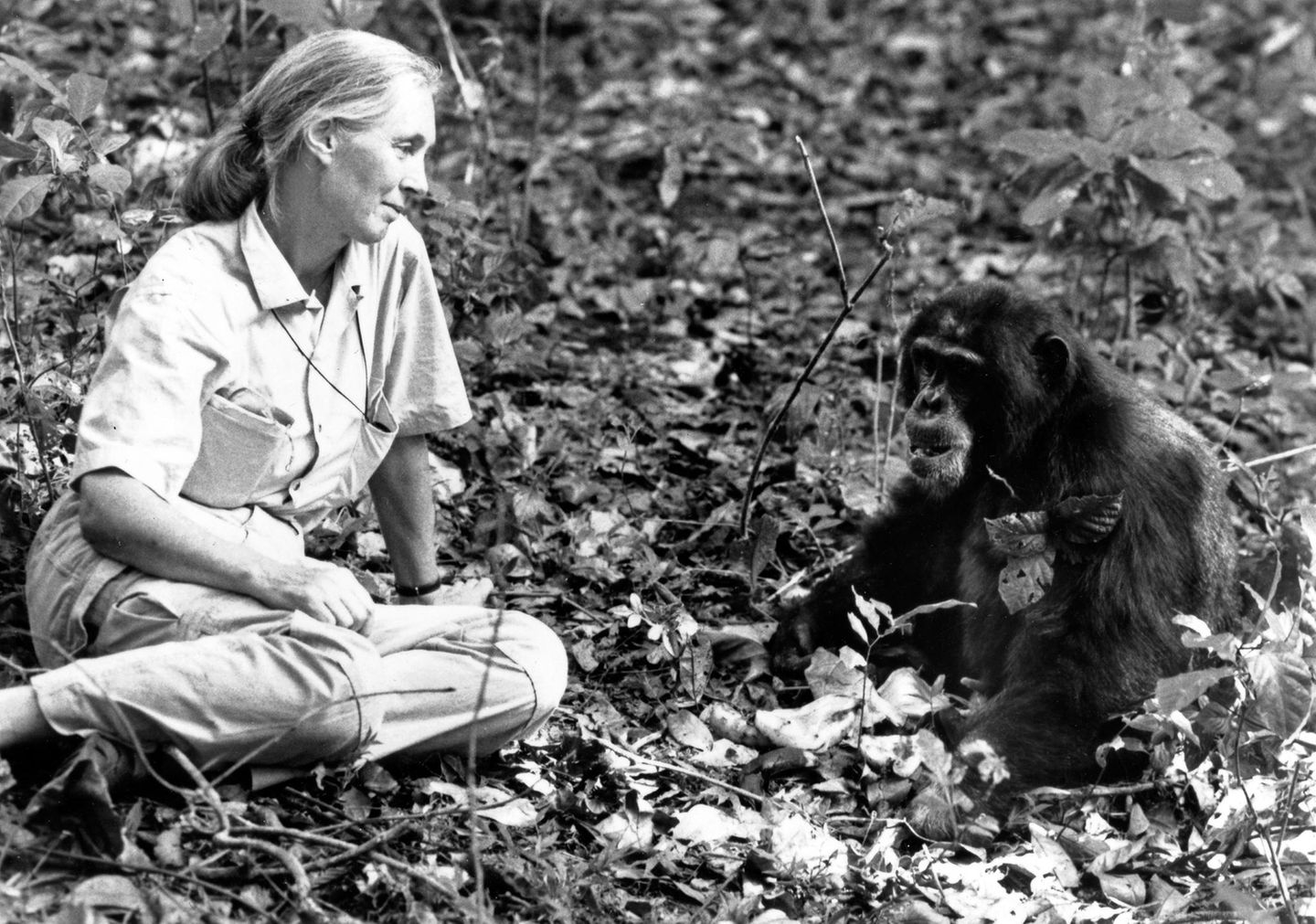
Goodall began her groundbreaking research in 1960 when she travelled to Gombe Stream National Park in Tanzania. Initially funded by her mentor, Dr. Louis Leakey, she conducted extensive observations of wild chimpanzees, documenting their complex social structures, tool usage, and emotional behaviours. Her revelations, that chimpanzees could make and use tools, dramatically changed the understanding of what it means to be human and our relationship with other species.
Conservation Efforts and Advocacy
Recognising the threats that chimps and their habitats face, Goodall founded the Jane Goodall Institute in 1977, aiming to enhance conservation efforts and promote sustainable development. Today, the institute continues to champion global initiatives focused on wildlife protection, addressing issues like habitat destruction and climate change, which are more pressing now than ever. Goodall’s work emphasizes the interconnectedness of all species, advocating for a holistic approach to global challenges.
In recent news, Goodall has continued to be a vocal advocate for climate action. She has participated in events such as the International Climate Summit and promotes grassroots activism through her ‘Roots & Shoots’ programme, which empowers young people to take action for the environment. The programme has spread to over 130 countries, fostering a new generation of conservationists.
Impact and Legacy
Jane Goodall’s impact extends beyond the field of primatology; her work has ignited a global movement toward conservation and ethical treatment of animals. As new challenges emerge, including the ongoing threat of extinction for numerous species and worsening climate conditions, her philosophy of compassion and proactive engagement will remain crucial. Goodall’s unwavering dedication serves not just as an inspiration but as a call to action to protect our planet.
Conclusion
In a world increasingly aware of environmental issues, Jane Goodall’s legacy is more relevant than ever. Her pioneering spirit and deep commitment to the well-being of animals and ecosystems reinforce the idea that positive change is achievable through dedication and education. As we face a myriad of environmental crises, embracing Goodall’s message of interconnectedness and stewardship could guide humanity toward a more sustainable future.
You may also like