Introduction
Live Aid, the concert that rocked the world on July 13, 1985, is not just a piece of music history; it is a powerful reminder of the impact that art can have on social issues. Organised by Bob Geldof and Midge Ure, the concert aimed to raise funds to alleviate the famine in Ethiopia during the 1980s. This event is significant not only for its charitable contributions but also for its ability to unite millions of people across the globe for a common cause.
The Concerts
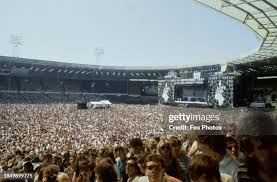
Taking place simultaneously at Wembley Stadium in London and John F. Kennedy Stadium in Philadelphia, Live Aid attracted an audience of approximately 1.5 billion viewers worldwide, making it one of the most-watched live broadcasts in history. Featuring iconic performers like Queen, U2, David Bowie, and Elton John, the event also included notable appearances by other artists such as The Who and Duran Duran. The eclectic mix of genres and performances created a celebration of music that resonated with audiences far beyond the stadiums.
Impact and Results
The fundraising effort was a monumental success, with over £150 million (equivalent to approximately £400 million today) raised by the end of the concert. The money collected went towards food aid and infrastructural support in Ethiopia and played a vital role in alleviating the immediate crisis. Furthermore, the concert’s legacy continued; subsequent events led to the establishment of Lifeline, an initiative aimed at providing ongoing support to those in need.
Continuing Significance
Live Aid’s influence extends beyond its initial success. It inspired similar benefit concerts like Farm Aid and Concert for Bangladesh, setting a precedent for music as a force for social change. It also demonstrated the potential of television and media to galvanise support for humanitarian causes. Today, the event is frequently cited in discussions about the intersection of music and activism.
Conclusion
As we reflect on the importance of Live Aid, it serves as an enduring example of how music can unite people for a meaningful cause. The concert’s combination of artistic brilliance and humanitarian spirit continues to inspire new generations of musicians and activists alike. Looking forward, the challenges of global issues remain, emphasising the need for continued efforts in raising awareness and mobilising resources through art and collaboration. The legacy of Live Aid not only echoes through music history but also remains a potent reminder of our collective responsibility towards one another.
You may also like