Introduction
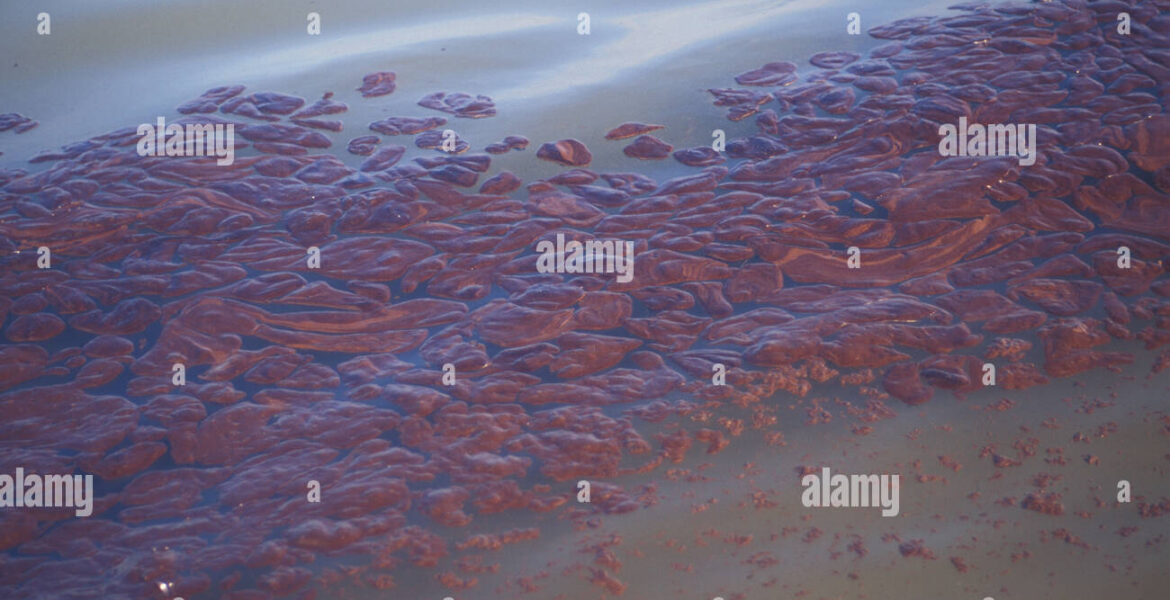
The Sea Empress oil spill, which occurred in February 1996, is one of the most catastrophic environmental disasters in the United Kingdom’s history. Spilling over 72,000 tonnes of crude oil into the waters off the coast of Wales, the incident caused extensive damage to marine life and local economies. The significance of this event has ongoing implications for maritime safety regulations and environmental protections in the UK.
The Incident
On 15 February 1996, the oil tanker Sea Empress was navigating near the Haven waterway, adjacent to Milford Haven. Thick fog conditions contributed to the vessel grounding on rocks, resulting in significant structural damage and the subsequent release of oil into the sea. The situation deteriorated further when attempts to refloat the ship led to an additional 2,000 tonnes of oil spilling into the sea.
The immediate aftermath of the spill was devastating; around 300 miles of coastline were affected, and numerous marine species including seabirds, seals, and fish populations faced the brunt of the disaster. Efforts to clean up the spill involved thousands of volunteers and environmental organisations who worked tirelessly to mitigate damage to wildlife and habitat. The clean-up operations lasted for years, highlighting the long-term impact of oil spills on the ecosystem.
Consequences and Reactions
The oil spill led to substantial economic ramifications for local fisheries and tourism industries, with reports of thousands of losses in livelihood. The environmental impact was far-reaching, with both short and long-term effects on biodiversity and the marine environment. Consequently, the event prompted significant public and governmental scrutiny regarding maritime safety protocols, leading to reforms in transportation of hazardous materials in the UK.
The incident raised awareness about the fragility of marine ecosystems and the profound implications of human error in maritime transport. As a result, the UK government invested in enhanced safety measures, including tighter regulations on oil tanker operations and increased funding for marine conservation initiatives.
Conclusion
Over 25 years after the Sea Empress disaster, the oil spill continues to serve as a crucial lesson in environmental stewardship and regulatory enforcement. It underscores the ongoing need for vigilance in maritime activities and the protection of coastal regions. With climate change and increasing shipping activity posing new challenges, it is essential that lessons from the Sea Empress oil spill remain at the forefront of ecological conversations and regulatory policies in the UK. Ongoing research and monitoring are vital in ensuring that such an ecological disaster is not repeated in the future, reinforcing the responsibility of both the shipping industry and regulatory bodies.
You may also like