Introduction
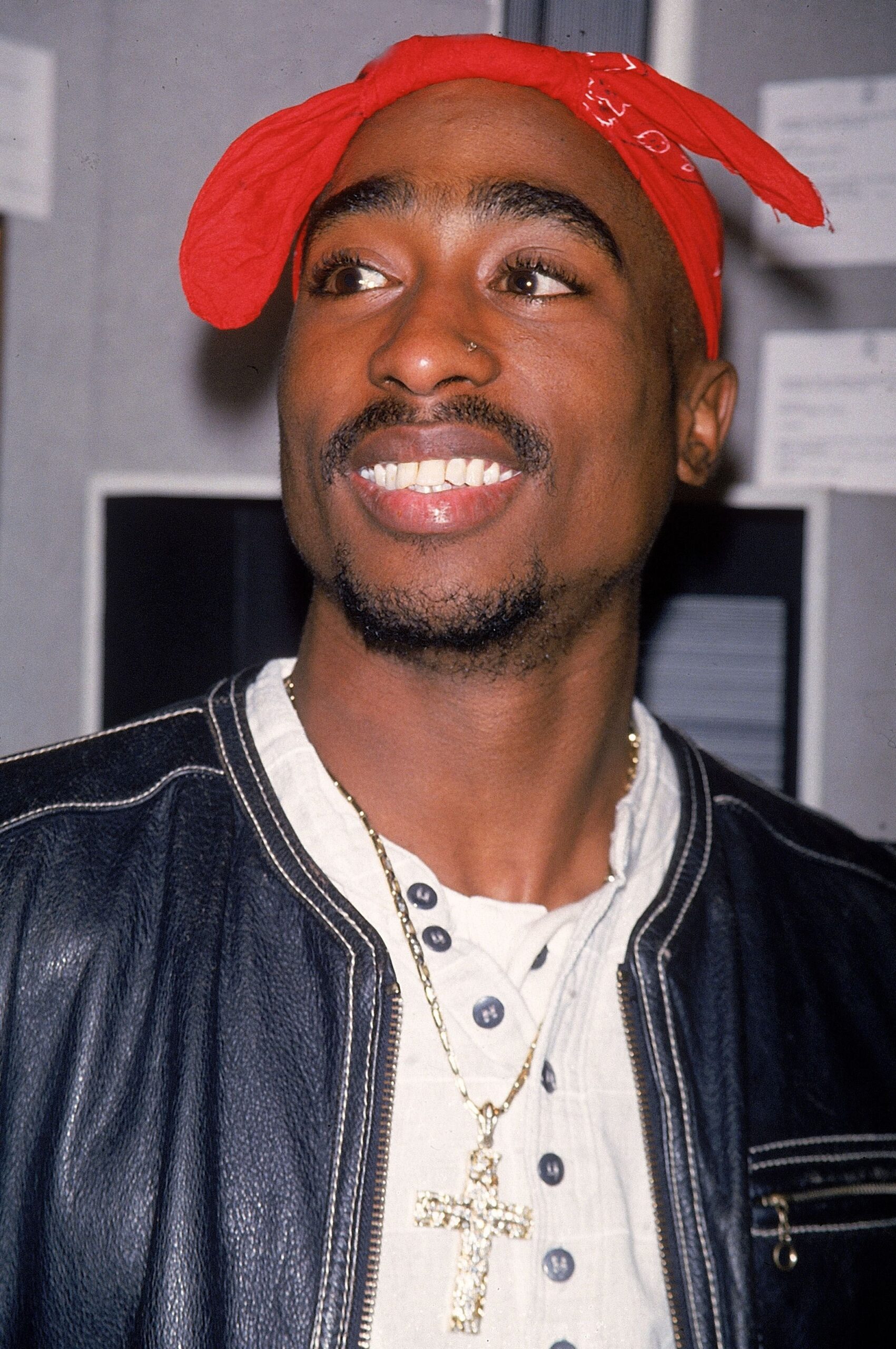
Tupac Shakur, also known as 2Pac, remains one of the most influential figures in music history, with his artistry and activism continuing to resonate with fans and artists alike. His life, marked by profound lyrical insight and social commentary, provides a critical lens through which we can examine issues of race, inequality, and youth empowerment. As we reflect on his legacy more than two decades after his untimely death in 1996, it is essential to understand his impact not only on hip-hop but also on global culture.
Tupac’s Impact on Music
Born on June 16, 1971, in East Harlem, New York City, Tupac Amaru Shakur emerged as a groundbreaking artist in the early 1990s. His debut album, “2Pacalypse Now,” released in 1991, showcased his talent for addressing societal issues, including police brutality and poverty. Singles like “Brenda’s Got a Baby” and “Keep Ya Head Up” challenged norms and opened up dialogues about women’s rights and social justice.
Throughout his career, Shakur released several critically acclaimed albums, including “Me Against the World” and “All Eyez on Me,” which solidified his status as a cultural icon. His blend of vulnerability, rage, and philosophy set a new standard for lyrical composition, allowing future generations of hip-hop artists to draw inspiration from his work.
The Continuing Influence of Tupac
Even years after his death, Tupac’s influence is palpable across various facets of society. Artists from diverse genres cite him as an inspiration, while his messages about systemic injustice remain relevant in today’s discussions about inequality. Social movements and campaigns often reference his work, highlighting his foresight regarding social issues that persist in contemporary society.
Conclusion
The legacy of Tupac Shakur serves as a powerful reminder of music’s ability to inspire change and reflect societal struggles. His multifaceted contributions extend beyond the realm of entertainment into social consciousness, encouraging listeners to challenge the status quo. As new generations discover his music and message, Tupac’s relevance only grows, ensuring that his voice will continue to ignite discussions and inspire action well into the future. In remembering Tupac, we remember a legacy that demands attention to issues of justice and equality, urging us to carry forward his vision of a better world.
You may also like