Introduction
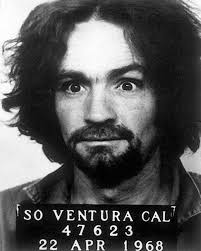
Charles Manson, a name synonymous with horror in American criminal history, continues to evoke fascination and fear even decades after his death. As the leader of the Manson Family, Manson orchestrated a series of brutal murders in the late 1960s that shocked the nation. His influence on popular culture and the criminology field is significant, making him a crucial figure in discussions about cults, manipulation, and the psychological aspects of criminal behaviour.
The Formation of the Manson Family
In the late 1960s, Manson formed a commune-like group referred to as the Manson Family comprising mainly young followers drawn from countercultural movements. The group believed in a twisted interpretation of apocalyptic prophecies and were heavily influenced by Manson’s charismatic persona as well as his musical ambitions. Early on, the family engaged in petty crimes, but as Manson’s paranoia and ideology escalated, so did the severity of their actions.
The Notorious Murders
The most infamous act attributable to Manson’s influence was the Tate-LaBianca murders in August 1969, where actress Sharon Tate and several others were brutally killed. These murders weren’t simply acts of violence; they were part of Manson’s delusion of starting a race war he called “Helter Skelter.” The cultural implications were vast, as the media attention around these crimes changed public perception on safety and innocence in America.
Arrest and Trial
Manson was arrested in 1969, and during the highly publicised trial that followed, both he and several of his followers were convicted of murder and conspiracy. The subsequent media frenzy turned Manson into a notorious figure synonymous with chaos and manipulation. His ability to influence his followers raised critical questions about the dynamics of cult behaviour and the psychological means of control.
Conclusion
Charles Manson’s legacy is complex. While he died in 2017 at the age of 83, the discussions surrounding his actions and their broader social implications continue to resonate. Manson represents the darker side of human psychology and serves as a case study for law enforcement, sociologists, and psychologists alike. Understanding Manson not only highlights the potential for human manipulation but also underscores the necessity for awareness around the susceptibility of vulnerable individuals to charismatic leaders.
You may also like