Introduction
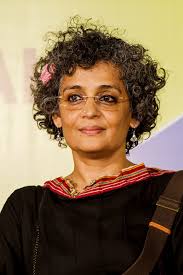
Arundhati Roy, an acclaimed Indian author and activist, has made substantial contributions to contemporary literature. Known for her unique narrative style and deep socio-political insights, Roy’s work resonates with readers worldwide. Her debut novel, The God of Small Things, won the Booker Prize in 1997, establishing her as a formidable voice in both fiction and non-fiction spheres.
Recent Developments and Activities
In recent years, Arundhati Roy has been increasingly vocal about various political and environmental issues, particularly those affecting India. Her non-fiction works, such as Field Notes on Democracy and The Ministry of Utmost Happiness, dive into themes of social justice and environmental degradation. In 2023, Roy was featured in multiple international forums where she spoke candidly about issues such as the upheaval in Kashmir, women’s rights in India, and the impact of climate change on marginalized communities.
Roy’s literary activism has also seen her participating in numerous protests, advocating for the rights of indigenous tribes and against the controversial Citizenship Amendment Act (CAA) in India. Her writings highlight the struggles faced by those on the periphery of society, amplifying voices that are often unheard.
The Significance of Her Work
Roy’s literature often interweaves personal memoir with broader social narratives. Her style is characterized by rich imagery and a profound sense of place, illustrating the complexities of Indian culture and politics. Through her novels, she explores intricate family dynamics, societal issues, and the often tragic impacts of socio-economic divides.
Her combination of fiction and activism challenges readers to rethink societal norms and engage with pressing global issues. This blend is further evidenced by her essay collections, which provide rigorous analysis and critique of government policies, capitalism, and the impact of technology on traditional societies.
Conclusion
Arundhati Roy remains a significant figure in both literature and activism, with her works continuing to inspire new generations of readers and writers. As contemporary issues evolve, her voice and perspective are expected to resonate even more powerfully. For readers and activists alike, engaging with Roy’s literature offers an opportunity to deepen their understanding of the complexities of Indian society and the global landscape.
You may also like