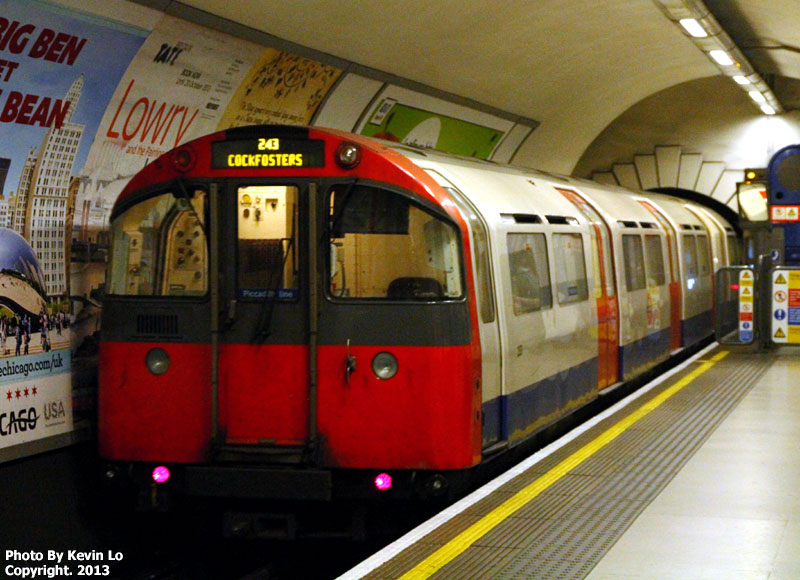
Introduction to the London Underground
The London Underground, colloquially known as the Tube, is not just a transportation system; it is an integral part of London’s identity and culture. Established in 1863, this extensive subway network serves millions of commuters and tourists daily, symbolizing the city’s bustling life. As London continues to grow and evolve, the Underground remains a vital lifeline, connecting diverse communities and easing urban mobility.
Facts and Features of the London Underground
The London Underground comprises 11 lines that span 402 kilometres and 272 stations, offering extensive coverage of Greater London and adjacent counties. According to Transport for London (TfL), in 2022 alone, the Underground recorded over 284 million journeys, reinforcing its position as one of the busiest metro systems globally.
Key features of the London Underground include its distinct map, designed by Harry Beck in 1931, featuring a simplified visual representation of the lines. The Tube is celebrated for its iconic roundel logo and the signature “Mind the Gap” announcements that have become synonymous with safe travel. The system has also seen various adaptations, such as the introduction of contactless payment systems and upgrades to accessibility for all users.
Recent Developments and Challenges
Despite its historical prominence, the London Underground has faced numerous challenges, particularly following the COVID-19 pandemic. Ridership plummeted in 2020, leading to significant revenue losses for TfL. As a response, various initiatives have been launched to encourage ridership recovery, including promotional fares and increased service frequency to meet rising demands.
Moreover, major projects like the Elizabeth Line, which opened in May 2022, and ongoing upgrades to ageing infrastructure signify efforts to enhance capacity and connectivity. The advent of smart technology is also expected to transform the way passengers interact with the Underground, potentially improving overall travel experiences.
Conclusion: The Future of the London Underground
The London Underground is more than just a travel network; it is a crucial element of London’s socio-economic landscape. As the city grapples with modern urban challenges, the Tube will likely play a central role in promoting sustainable transport solutions, reducing road congestion, and supporting economic growth.
Looking ahead, investments and innovations will continue to shape the Underground’s future, ensuring that it remains an accessible and efficient means of transportation for generations to come. As London adapts to global changes, the Underground will undoubtedly stay at the forefront of urban mobility, symbolising resilience and connectivity in a fast-paced world.
Related posts: