Introduction
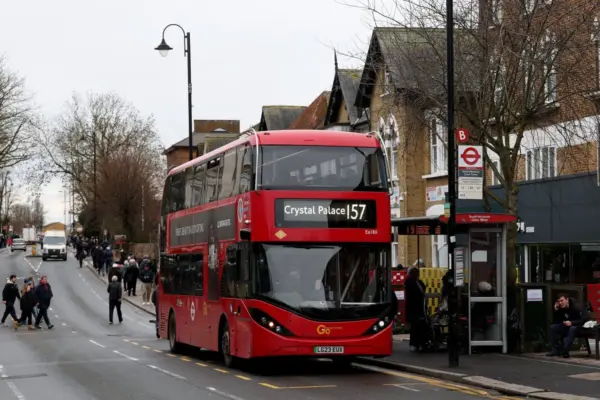
On a chilly Tuesday morning, the quiet hum of a community in Kent was disrupted by a prevailing sense of concern: a bus carrying 30 passengers had gone missing during its scheduled route. This unusual incident has raised significant questions regarding the safety and reliability of public transport systems across the UK, shining light on an issue that affects countless commuters daily.
The Incident
According to witnesses, the bus departed from the station at 8 am but never arrived at its scheduled stops. Panic ensued when anxious relatives reported that their loved ones had not returned home. The local authorities were alerted around noon, leading to a widespread search that prompted bus companies and police to join forces.
Following an extensive two-hour search, the lost bus was located on a rural road approximately five miles from its route. Stranded due to a mechanical failure, thankfully, all passengers were unharmed and safely returned to their home station. Local bus operators confirmed that the bus had been experiencing technical difficulties, prompting its unexpected detour.
Impact and Responses
In the aftermath, public transport authorities quickly moved to ensure that such an incident would be drastically reduced in the future. “Our priority is the safety of our passengers. Incidents like this serve as a reminder of the improvements needed in monitoring and maintaining our fleet,” stated a spokesperson for Kent Transport.
The lost bus incident reignited discussions on the adequacy of current public transport systems, including maintenance routines and tracking technologies. Commuters have expressed their concerns, suggesting that more robust safety measures and better communication with passengers are essential.
Conclusion
As communities reflect on the lost bus incident, it serves as an important wake-up call to transport administrators, urging them to enhance safety protocols across the board. Integrating advanced monitoring systems and ensuring reliable communication channels are vital, especially as public transport plays a crucial role in everyday life. Looking ahead, passenger confidence will largely depend on how well transport systems can adapt and respond to these challenges, transforming this dramatic event into a pivotal moment for improvement.
You may also like