Introduction
The National Grid plays a crucial role in the UK’s energy infrastructure, providing electricity to millions of homes and businesses across the country. As one of the most extensive transmission networks in the world, its significance cannot be overstated. Given the increasing demand for energy and the urgent need for decarbonisation, understanding the National Grid and its operations is both timely and essential.
What is the National Grid?
The National Grid is a high-voltage electric power transmission network that connects power stations and major substations across Great Britain. Established in 1938, the system has undergone significant transformations to meet the demands of an evolving energy landscape. The grid not only delivers electricity but also acts as a balancing mechanism to ensure supply and demand are met in real time.
Recent Developments and Current Challenges
In recent years, the National Grid has faced several challenges, particularly with the transition to renewable energy sources. The UK aims to achieve net-zero carbon emissions by 2050, which necessitates a shift from fossil fuels to wind, solar, and other renewable sources. In 2023, renewable energy accounted for approximately 48% of the UK’s electricity generation, up from 29% in 2019. As a result, the National Grid has had to adapt to these changes by upgrading infrastructure and enhancing energy storage solutions.
Moreover, the onset of extreme weather conditions has also raised concerns regarding grid reliability. According to the National Grid ESO, information released in early 2023 indicated that weather extremes could increase power disruptions by up to 40% over the next decade. The integration of smart technology is currently being explored to bolster the grid’s resilience against these challenges.
What Lies Ahead?
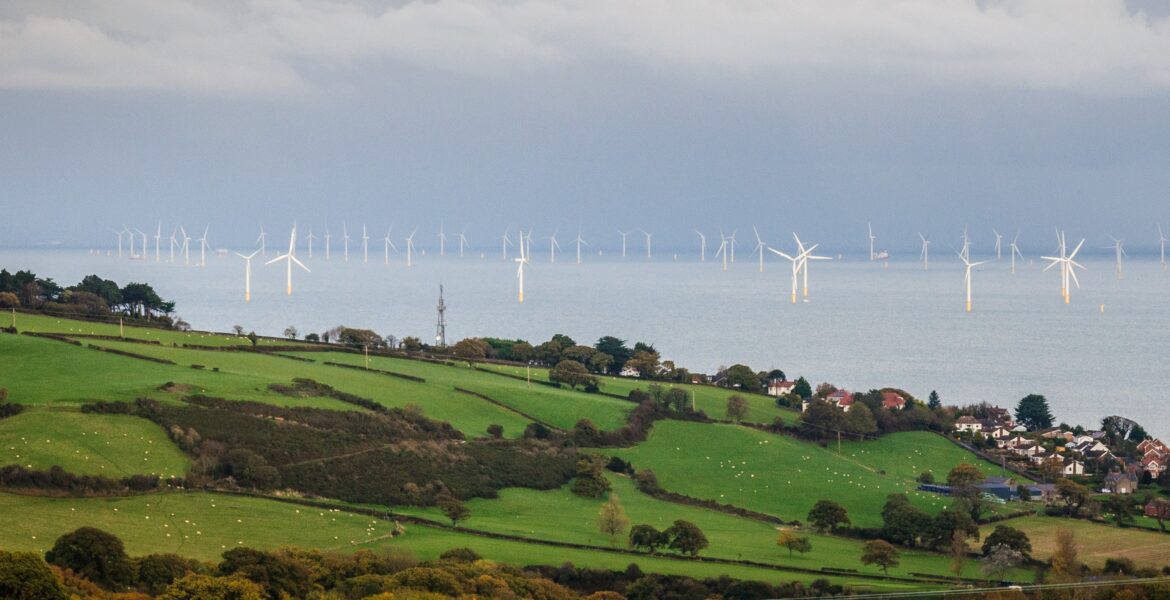
Looking forward, several initiatives are in place to enhance the capacity and resilience of the National Grid. The UK government has committed to investing in grid expansion projects, including offshore wind farms and interconnectors linking the grid to neighbouring countries. Additionally, the implementation of smart grid technologies promises efficient energy distribution and better management of renewable sources.
Conclusion
The National Grid is at a pivotal juncture as it embraces renewable energy and smart technology while addressing challenges such as climate change and ageing infrastructure. For UK residents and businesses, staying informed about the National Grid’s developments is essential, as it directly impacts energy costs and availability. The future of the National Grid will be a determining factor in the UK’s energy landscape, influencing both its economy and environmental goals.
You may also like