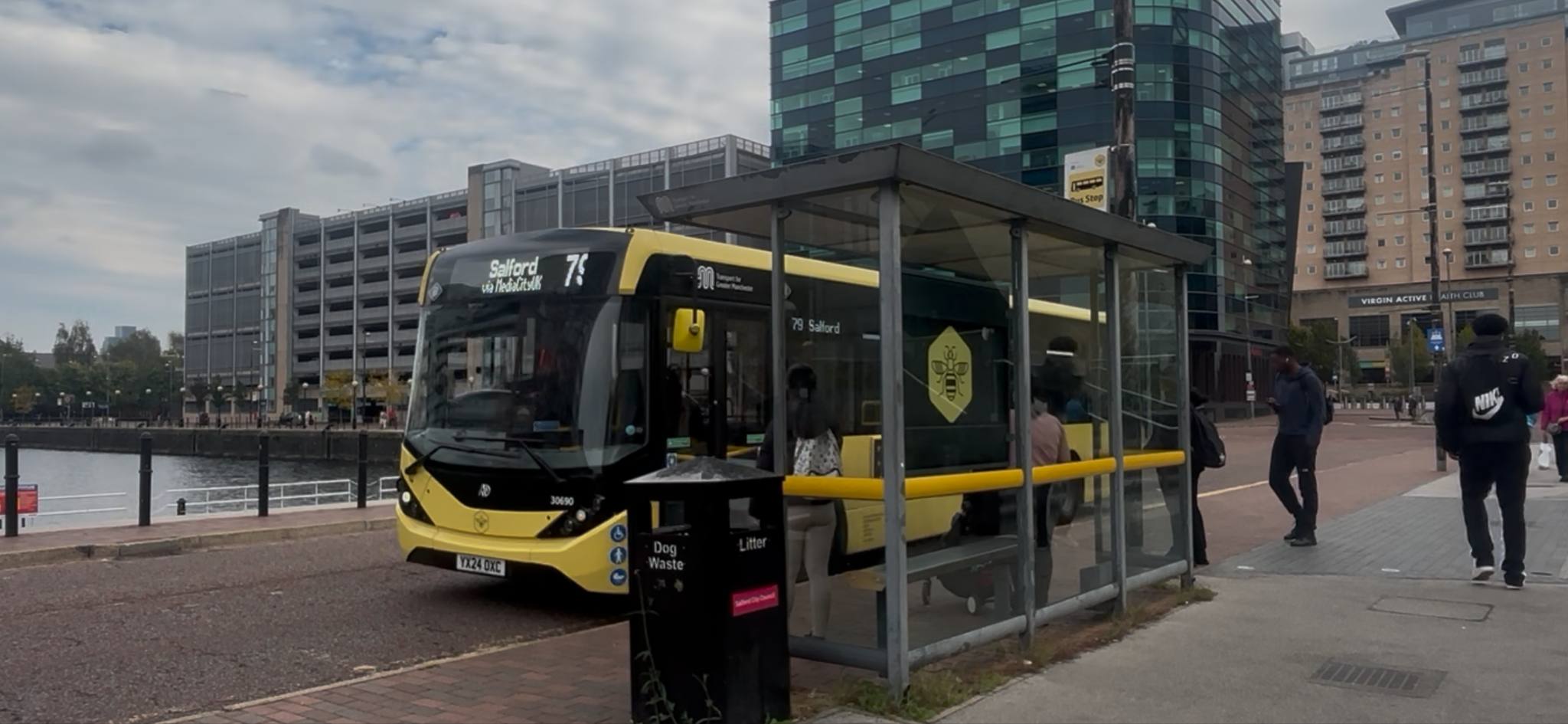
Introduction
The ongoing bus strikes in Manchester have significantly disrupted public transport services across the city, affecting countless commuters. With the United Kingdom experiencing a wave of industrial action, the Manchester bus strikes have emerged as a focal point of debate over workers’ rights, fair pay, and service reliability. As the strikes escalate, understanding their causes and potential solutions is essential for both residents and authorities.
Background of the Strikes
In recent weeks, bus drivers in Manchester, represented by trade unions, have initiated strikes demanding pay increases and improved working conditions. The strikes were triggered by dissatisfaction with ongoing negotiations between transport companies and union representatives. As a result, services operated by major bus companies have been significantly reduced, with many routes being either canceled or delayed.
Impact on Commuters
The strikes have left many commuters struggling to find alternative means of transportation, with reports of long queues at tram stations and increased pressure on taxi services. School runs and essential travel for those attending work or appointments have become particularly challenging, highlighting the transport network’s reliance on an efficient bus service. Local businesses are also feeling the pinch as footfall declines due to transportation woes.
Official Responses
In response to the ongoing disruptions, Manchester’s local government has called for urgent negotiations to resolve the strike situation. They have emphasised the importance of providing reliable public transport and its critical role in the city’s economy. Transport for Greater Manchester (TfGM) is working closely with stakeholders to mitigate the impacts of the strikes, including providing updates on available services and alternative travel options.
Looking Ahead
As the strikes continue, the local union has announced plans for further action if demands are not met. A resolution appears necessary not only to restore bus services but also to maintain the relationship between workers and transport companies. The situation remains fluid, with commuters advised to stay informed through official channels as new developments arise.
Conclusion
The bus strikes in Manchester represent a significant challenge for both workers advocating for their rights and commuters dependent on public transport. With ongoing discussions aimed at finding a resolution, it is hoped that a swift and fair agreement can be reached to restore service and alleviate the current strain on the city’s transport system. The developments in this situation will be crucial for future discussions on labour rights and public transport sustainability in Greater Manchester.
You may also like