Introduction to the Parthenon
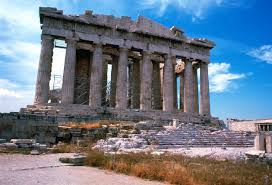
The Parthenon, a magnificent temple located on the Acropolis in Athens, is one of the most important symbols of Ancient Greece and Western civilization. Built during the height of the Athenian empire in the 5th century BC, it honours the goddess Athena, whom the people of Athens considered their patroness. The significance of the Parthenon lies not only in its architectural sophistication and artistic achievements but also in its representation of democracy and cultural pride.
Architectural Marvel
The Parthenon was constructed between 447 and 432 BC, chiefly designed by architects Ictinus and Callicrates, with sculptor Phidias overseeing its artistic decoration. This monumental structure exemplifies Doric architecture, adorned with intricate sculptures and reliefs. The temple measures 69.5 metres in length and 30.9 metres in width, featuring 46 outer columns and 19 inner columns. Its iconic friezes depict various mythical battles and Athenian life, underscoring the cultural and historical narratives cherished by the ancient Greeks.
Historical Significance and Cultural Impact
The Parthenon has endured centuries of conflict and change, serving various functions over time — from a temple to a church and later a mosque, before being partly destroyed by gunpowder explosions in the 17th century. Nonetheless, it remains a potent symbol of the democratic ideals that arose during ancient Athens and has influenced numerous public buildings across the globe. UNESCO designated the Acropolis and the Parthenon as a World Heritage Site in 1987, recognising their universal value and significance.
Recent Developments and Preservation Efforts
In recent years, ongoing efforts have focused on the restoration and preservation of the Parthenon. The Acropolis Restoration Project, initiated in the 1970s, aims to address structural issues caused by pollution, weathering, and previous restoration attempts. Researchers are using advanced technologies and methods to ensure the temple’s stability while remaining authentic to its original design. The work continues amid the challenges posed by tourism and environmental factors, highlighting the need for sustainable preservation practices.
Conclusion: The Enduring Legacy of the Parthenon
The Parthenon stands not only as a testament to ancient Greek architecture and culture but also as a beacon of human achievement and aspirations for democracy. As restoration efforts continue, it reminds us of our shared past and the ongoing importance of preserving our cultural heritage. The Parthenon’s influence will likely continue to resonate, inspiring generations to appreciate the richness of human creativity and history.
You may also like